Showing posts with label hormone disruptive chemical. Show all posts

Sep 26, 2018

SHEA BUTTER VS COCOA BUTTER SKIN CARE

Cocoa butter and shea butter are two of nature's richest moisturizers, all-natural beauty products that can do wonders for your skin. Each has been used for centuries as a beauty product, and both are commonly found in creams and lotions. However, there are notable differences between the two that can affect your skin for the better or for the worse.

Origin
Both shea and cocoa are naturally occuring substances. Shea butter is also known as karite butter. It's made from the nuts of the karite tree found in West and Central Africa. Shea butter is sometimes called "women's gold," because its harvest and production creates jobs for many African women. Cocoa butter is extracted from cacao seeds, also known as cocoa beans. It's native to the Americas and is a traditional moisturizer in Mesoamerica and the Caribbean.

Moisturizing Qualities
Cocoa butter and shea butter are similarly prized as moisturizers. Both contain fatty acids, which improve skin moisture retention and elasticity. Both are effective in easing skin problems such as eczema or psoriasis. Most people agree that cocoa butter's smell is very pleasant, and some use it for aromatherapy; shea butter's fragrance, on the other hand, is sometimes described as off-putting or even stinky.

Skin Repair and Health
Cocoa butter contains cocoa mass polyphenol (CMP), which helps ease dermatitis or rashes. CMP may also inhibit the growth of cancerous cells and tumors.

Shea is a good source of vitamins A and E, which strengthen your skin and help it repair damage. A 2009 study found that the caffeic acid in shea butter reduced the damaging effects of UV radiation. In addition, shea butter contains cinnamic acid: a 2010 study found that it could repel both inflammation and tumors.

Acne, Stretch Marks and Scars
For acne-prone skin, shea butter is a wiser choice than cocoa butter. Cocoa butter will clog your pores, according to a report by Beneficial Botanicals. Shea butter is non-comedogenic, meaning your pores will stay clear. It may also help reduce the appearance of acne scars, because its antimicrobial properties can fight off infections.

Cocoa butter has traditionally been recommended to pregnant women who have stretch marks. However, a 2008 study found that it was no more effective on stretch marks than a placebo lotion.

Quality
Raw, unrefined cocoa butter and shea butter have the most nutritive value to your skin, but can be difficult to find. Many products claiming to contain cocoa or shea have them in refined form, with additives and ingredients that may or may not heal your skin. You may need to pay more to receive the true benefit of these butters.

In addition, shea butter quality can range quite a bit. Do you research before buying an inferior product: low-grade shea is useful only as a moisturizer.


Bynaturael Products:
Liquid Castile Soap


Dapat dibeli di (scan QR code):


This document is provided for reference purposes only and not necessarily reflect the opinion of bynaturael’s team . Train your mind to test every thought and keep on searching the final truth that satisfies the conscience inside you. Please visit our blog: bynaturael.blogspot.com

Mar 25, 2015

Hormone replacement therapy linked to increased risk of ovarian cancer, study finds


An analysis of over 50 studies suggests an association between short-term use of hormone replacement therapy (HRT) during menopause and a 40 percent increased risk of developing ovarian cancer.

The study, published Thursday in the journal The Lancet, reviewed data from 21,488 women who lived in North America, Europe and Australia. Researchers observed that women who used HRT for only a few years were more likely to develop the two most common types of ovarian cancer, compared to women who had never taken HRT. Those types are serous epithelial and endometrioid ovarian cancer. HRT use was not linked to an increased risk of the other two main types of ovarian cancer: mucinous and clear cell ovarian cancers.

HRT for menopause is meant to replace hormones that the body no longer makes after menopause. Doctors used to prescribe it as a standard treatment to relieve hot flashes and other menopause symptoms, according to the Mayo Clinic. A large clinical study later suggested one type of the treatment— the estrogen-progestin pill Prerempo— posed more risks than benefits, and doctors started to become less inclined to prescribe it as a result. Those risks included heart disease, stroke, blood clots and  breast cancer.

However, that decrease in use has now leveled off, according to a news release for the current study. About 6 million women in the United Kingdom and the United States use HRT today to relieve menopause symptoms, including hot flashes, night sweats and vaginal symptoms like dryness, itchiness, burning and discomfort during sexual intercourse.

The new research analyzed use of the two most common types of HRT used during menopause: those containing only estrogen or those containing a combination of estrogen and progestagen.

Study author Sir Richard Peto, a medical statistics and epidemiology professor at the University of Oxford, said in the news release that his team’s research suggests that, among women who take HRT for five years starting at about age 50, there will be about one extra ovarian cancer diagnosis for every 1,000 users and one extra death from ovarian cancer for every 1,700 users. 

For the meta-analysis, over 100 scientists worldwide analyzed individual participant data from 52 studies— a body of research that they say encompassed all of the epidemiological evidence ever gathered on HRT use and ovarian cancer.

Study authors saw an increased risk of ovarian cancer among current users as well as those who had used the treatment within the past five years, but that risk declined over time after stopping treatment. But, among women who had used HRT for at least five years, that risk remained 10 years later.

"The definite risk of ovarian cancer even with less than five years of HRT is directly relevant to today's patterns of use— with most women now taking HRT for only a few years— and has implications for current efforts to revise U.K. and worldwide guidelines,” study author Dame Valerie Beral, epidemiology professor at the University of Oxford, said in the news release.

Researchers noted the increased risk was not altered by the age at which HRT began, body size, past use of oral contraceptives— which are thought to protect against ovarian cancer— hysterectomy, alcohol use, tobacco use, or family history of breast and ovarian cancer.

Current HRT guidelines from the World Health Organization (WHO) as well as those in the U.S. and Europe don’t mention ovarian cancer as a risk, the news release noted. The U.K. guidelines associate a risk with long-term use.

http://www.foxnews.com/health/2015/02/13/hormone-replacement-therapy-linked-with-increased-risk-ovarian-cancer-study/

Bynaturael Products:
Liquid Castile Soap with essential oil
Liquid Castile Soap
This document is provided for reference purposes only and not necessarily reflect the opinion of bynaturael’s team . Train your mind to test every thought and keep on searching the final truth that satisfies the conscience inside you. Please visit our blog: bynaturael.blogspot.com

Mar 5, 2014

What are parabens and do I need to worry about them?


By Eleni N. GagePublished |February 26, 2014

Parabens have been widely used in products to prevent bacteria growth since the 1950s.

“About 85 percent of cosmetics have them,” said Arthur Rich, a cosmetic chemist in Chestnut Ridge, New York. “They’re inexpensive and effective.”

New York City dermatologist Dr. Fran E. Cook-Bolden explained, “Parabens have a long history of safe use, and that’s why they’re commonplace. New preservatives have less of a proven track record.”

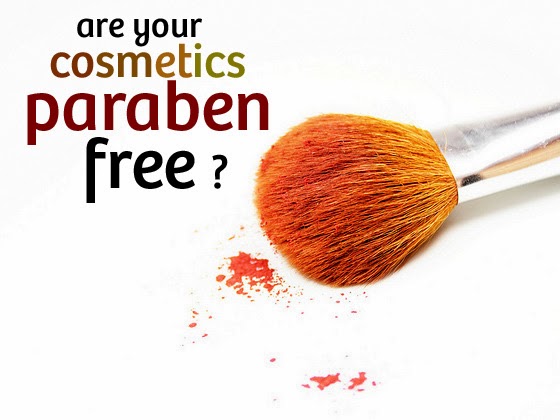
In fact, typically, more than one form of the ingredient is used in a product. The most common are butylparaben, methylparaben, and propylparaben. Over the last few years, however, in response to customer concerns, many brands have started to manufacture (and label) paraben-free products, including lotions, lipsticks, shampoos, scrubs, and more.

So What’s the Problem?
In the 1990s, parabens were deemed xenoestrogens―agents that mimic estrogen in the body. “Estrogen disruption” has been linked to breast cancer and reproductive issues. And in 2004 British cancer researcher Philippa Darbre found parabens present in malignant breast tumors. As a result, experts in many countries are recommending limits on paraben levels in cosmetic products. What’s more, watchdog organizations worry that if parabens can be stored in the body, over time they could have a cumulative effect and pose a health risk.

But here’s the flip side: Critics of the British study point out that noncancerous tissue from healthy breasts wasn’t examined to see if parabens were also present there, and that the presence of parabens in tumors doesn’t prove that they caused the cancer. Other studies have shown parabens to have a very weak estrogenic effect.

All this leads to concern about the unknown. Cook-Bolden tells her patients that “so far there’s no scientific evidence to support any link with any form of cancer.” Currently, the amount of parabens in any product is typically quite small. The U.S. Food and Drug Administration and the World Health Organization consider the chemicals safe at low levels.

The Bottom Line?
There’s reason to be mindful, but no reason to have an all-consuming concern about these chemicals. If it helps you rest easy, use a paraben-free body lotion (which coats a large area of skin). Today there are a number of formulas available from paraben-free brands. Labels that list the preservatives as one of the last four ingredients also indicate that the chemicals are present in very small amounts, said Andrea Kane, editor of Theorganicbeautyexpert.com.

If you want to play it extremely safe, use a few oil-based organic products that don’t contain water (which calls for a preservative). They often come in dark containers with a pump so that light and air don’t degrade them quickly.

“With truly natural products, just stay within their use-by date,” Kane said. “It’s like milk―the date is there for a reason.”

http://www.foxnews.com/health/2014/02/26/what-are-parabens-and-do-need-to-worry-about-them/

Bynaturael Products:
Natural Hair Care
Liquid Castile Soap
This document is provided for reference purposes only and not necessarily reflect the opinion of bynaturael’s team . Train your mind to test every thought and keep on searching the final truth that satisfies the conscience inside you. Please visit our blog: bynaturael.blogspot.com

Jan 30, 2014

11 Everyday Toxins That Are Harming Your Thyroid


BY DR. WILLIAM COLE |JANUARY 21, 2014

Millions of people struggle with low thyroid symptoms, and millions more experience the symptoms of a low thyroid only to have their labs come back negative. They're told they are "normal," and are left with no answers. Symptoms like anxiety, irritability, depression, brain fog, weight gain and fatigue can debilitate lives for decades. One major underlying factor that isn't being addressed in the standard model of care is toxins.

Whether they're synthetic or natural in nature, toxins are a piece of the complex thyroid puzzle. Here are 11 offenders that may be affecting your thyroid function:

1. Perchlorates
Almost all of us have perchlorates in our bodies, according to the CDC. Perchlorate is a byproduct of the manufacturing of rocket and jet fuel, car air bags and fireworks. This toxin leaks into much of our drinking water and food supply. The CDC study found widespread perchlorate human exposure, and a connection between perchlorate levels and thyroid hormone levels.

Perchlorate prevents the production of thyroid hormone, which can lead to low thyroid symptoms. One study found babies born with elevated levels of thyroid-stimulating hormone may have been affected by small amounts of perchlorate in their mother's drinking water. These studies, and the work of the Environmental Working Group, show that not only is perchlorate exposure pervasive, but that even low levels of perchlorate exposure can have negative health effects on the thyroid.

2. PCBs
Polychlorinated biphenyls (PCBs) are industrial chemicals that were banned in the 1970s but are still detected in our environment today. PCBs have been shown increase thyroid dysfunction, and, by increasing the level of thyroid-stimulating hormone, can make your body resistant to the thyroid hormone, similar to the insulin resistance seen in type II diabetes. They also can affect the liver enzymes that regulate the conversion of your thyroid hormone so it can be available to use in your body.

3. Dioxins
Both PCBs and dioxins are known to have disruptive effects on the endocrine system, and a dioxin is the primary toxic component of Agent Orange. I have seen many patients who served in Vietnam, and they have linked their current thyroid problems to Agent Orange.

4. Soy
Phytoestrogens in soy proteins have been found to inhibit thyroid peroxidase. Soy is able to disrupt normal thyroid function by inhibiting the body’s ability to use iodine, blocking the process by which iodine becomes the thyroid hormones, inhibiting the secretion of thyroid hormone, and disrupting the peripheral conversion of T4 to T3. Researchers have also found that infants fed soy formula had a prolonged increase in their thyroid-stimulating hormone (TSH) levels, compared to infants fed non-soy formulas. Soy is also commonly a genetically modified food (GMO), which adds another variable to consider.

5. Pesticides
One study found that women married to men who used pesticides in their daily work were at a much higher risk of developing thyroid problems than other women. Another study warns that about 60 percent of pesticides used today may affect the thyroid gland’s production of hormones. Many antifungals and weed killers used on produce have been shown to decrease thyroid function and increase weight-loss resistance.

6. Flame retardants
Flame retardants, or polybrominated diphenyl ethers (PBDEs), have been found in several studies to disturb thyroid function. Flame-retardant chemicals are found in television and computer screens, as well as in the foam used for furniture and carpeting padding. PBDEs are also found in many Americans, and are linked to behavioral and developmental problems.

7. Plastics
Beyond an environmental concern, plastics can also be hazardous to your body's environment. Antimony, a chemical that leaches from plastic bottles, is one concern. Researchers at the University of Copenhagen found antimony levels in fruit drinks and juices in plastic bottles at levels 2.5 times higher than what’s considered safe in tap water! Phthalates in some plastics have been shown to decrease thyroid function. Bisphenol A (BPA) — also used in plastics, food can coatings, and dental sealants — decreases thyroid receptor site sensitivity, causing thyroid resistance, similar to PCBs.

8. PFOA
One study found that perfluorooctanoic acid (PFOA), a chemical used to make Teflon, food wrappers, and other products, can affect thyroid function even at moderate levels of exposure. A study in Environmental Health Perspectives found that higher concentrations of PFOA are associated with the thyroid conditions that are seen today.

9. Halogens
Fluoride and chloride exposure can lead to a decrease of iodine transport and block the conversion of the T4 to T3, which is the active form of your thyroid hormone. Fluoride was found to suppress thyroid function, and the dose needed to reduce thyroid function was low, 2 to 5 mg per day. You can absorb these halogens through your food, water, medications and the environment. Because they're similar to iodine, they can occupy your iodine receptors, making the body's iodine levels unusable.

10. Heavy Metals
Mercury, lead and aluminum can all trigger antibodies, which in turn lead to autoimmune thyroid conditions such as the Grave’s and Hashimoto’s disease. This is not acute poisoning that I am referring to, which would show up on a conventional blood test. I'm referring to a chronic heavy metal toxicity which can only be accurately shown with a urine test using a chelating agent. The chelator will pull the metals from your cells where it has leached, so it can actually be measured on the test.

11. Antibacterial Products
Triclosan is an antibacterial chemical added to soaps, lotions and toothpastes. Although some research has shown small amounts to be safe, there's evidence that triclosan is an endocrine disruptor and impacts thyroid function. One recent study found that triclosan had an effect on thyroid hormones, and another showed that triclosan interacted with androgen and estrogen hormone receptors.

Conclusion:
Remember, every person is uniquely complex. Everyone has his own genetic tolerance for toxins like these. Think of your genetic tolerance as an empty bucket, and these toxins are filling up the bucket. Some people's buckets are smaller than those of others, and therefore fill up faster. Some people can be exposed to all of these toxins and show no noticeable effects from them. This is not a simple "one size fits all" solution.

I don't want you to feel defeated when reading this article. It's easy to say, "I'm doomed," but be encouraged, because knowledge is power. You can make informed decisions to decrease the level of stress your thyroid is up against. You can also investigate these underlying issues and address them head on. And lastly, remember, your body is amazingly resilient. It wants to heal. I coach people all around the world who suffer from seemingly insurmountable health problems, and I've seen them completely restore their health when we address these underlying components.

http://www.mindbodygreen.com/0-12346/11-everyday-toxins-that-are-harming-your-thyroid.html?utm_campaign=recommendation&utm_medium=popular&utm_source=home


Bynaturael Products:
Natural Hair Care
Liquid Castile Soap
This document is provided for reference purposes only and not necessarily reflect the opinion of bynaturael’s team . Train your mind to test every thought and keep on searching the final truth that satisfies the conscience inside you. Please visit our blog: bynaturael.blogspot.com

Sep 6, 2013

TOP 10 TIPS FOR CLEANSING SENSITIVE SKIN


By Gallagher Flinn

Caring for sensitive skin is a pain in the neck. For whatever reason, having sensitive skin means that the epidermis, the layer of dead cells and glands that forms a protective barrier between your dermis and the outside world, has been damaged. There are tons of potential factors that contribute to sensitive skin. You may have inherited it from your parents. It may be a problem in your diet or fluid intake (drink more water and eat more veggies!).

Or, the issue could be environmental -- there are probably a lot more cases of dry skin in the plains of Mongolia than in the swamps of Florida. People with sensitive skin are more vulnerable to acne, rosacea, eczema and contact allergens, not to mention all the stinging and itchy dryness that accompany the condition. In a lot of cases, sensitive skin is something you'll have to deal with your whole life, but that doesn't mean there aren't proper practices to alleviate the problem. Here are 10 tips for cleansing sensitive skin.

1: Shower Carefully
Limit your skin cleansing regimen to as little exposure to hot water as possible. Hot water softens up the natural oils on your skin to wash them away, but it also leaches out moisture from your skin. If your skin is extremely sensitive or dry, take your showers and baths as cool as you can stand it, and limit yourself to only five or 10 minutes in the water. Be sparing with soap, too. There's usually no reason to wash everywhere and expose your entire body to chemicals that will dry it out or irritate it. On an average day, washing just your genitals, armpits and feet is usually fine.

After your shower, pat yourself dry. Every moment, you're losing moisture as water evaporates off your skin, but rubbing will only make skin irritation worse.

2: Tailor Your Skin Regimen for the Season
Your skin changes with the seasons, and what may have worked in the bonny springtime won't necessarily be effective when the humidity drops and winter starts to take its toll. In winter, not only does cold air chap and dry out skin, but you also spend much more time indoors, where the air is even drier. You may need to increase the amount of moisturizer you use.

Getting too much vitamin A in winter can also be a problem, as it's linked to decreased oil production. While this can be a boon for people with oily skin, it can also exacerbate problems with flaking and redness during cold weather. If winter makes your skin dry out, and you use a topical ointment containing vitamin A (it shows up in acne, psoriasis and skin rejuvenation products), you might want to ease up.

3: What Else Besides Soap?
Many people mistakenly assume that when they're done cleansing sensitive skin, the work is done. But you've got to moisturize! Moisturizers sit on clean skin to form a protective barrier that traps water to keep your skin from dehydrating. People with acne or oily skin can opt for non-oily moisturizers and gels that better suits their skin type. Most moisturizers also serve double-duty as a UV blocker or an anti-inflammatory, protecting you from the sun and cooling skin cells damaged by inflammation to give them a chance to recover.

One ingredient to look for is ursolic acid, a chemical that's found in rosemary, sage and apple skin. In lab tests, ursolic acid was found to help rebuild the outer layers of damaged skin [source: Yarosh]. Be careful, though, when you're shopping for these products. Just because a moisturizer has rosemary or sage extracts in it doesn't meant that the ursolic acid content is going to be powerful enough to do any good. Make sure to look for moisturizers and anti-inflammatories that specifically mention ursolic acid in the list of ingredients.

4: Never Mind the Lather
You may have heard that working up a rich lather is the best way to thoroughly cleanse your skin. The truth of the matter is that you don't need a cleanser with a foamy lather to get good and clean. In fact, the materials used to make soap sudsy are often just detergents and surfactants, which break up the oil that dry, sensitive skin desperately needs.

If you've got very oily skin, this might seem like a nonissue. That cool, clean polish you get after lathering up can feel wonderful after a day of dealing with a greasy face. But when you overuse these cleansers, they will ultimately hurt your skin's ability to defend itself.

And what about the classic sudsy soak? Sorry, bubble bath lovers. Bubble bath formula is mostly just detergent and scent -- it's designed to foam up prettily, not to go easy on sensitive skin.

5: Avoid Fragrances and Colorings
Fragrances and colorings are part of what makes soaps attractive, but they're also a potential hazard for people with sensitive skin -- even when they come from natural plant extracts and essential oils. Because it doesn't have the same protection that normal skin does, sensitive skin can also be more vulnerable to certain allergens in fragrance. Where the epidermis and lipid coatings (the layer of dead cells and the oil that protect you) are thin, it's easier for foreign substances to enter the body. Since many allergies can be created through repeated exposure to certain irritants, problems may develop from using cleansers that contain them. Here are a few to watch out for:

Camphor
Cinnamon
Citrus
Eucalyptus
Fragrance
Lavender
Menthol
Peppermint
Rosewater

Soaps with fragrances also can be more of a problem in geographical areas with higher mineral content in the water, which makes it harder to build up and rinse off lather. Soap residue on the skin can then leach into the body over a long period of time, increasing sensitivity to allergens.

6: Know What's Going into Your Skin
Always read the labels on the back of skin-care products. Knowing what the ingredients are means knowing what to avoid. It can be overwhelming to sift through a list of unpronounceable chemicals on the back of a bottle, but it's absolutely necessary. Some ingredients are good for normal and combination skins, but terribly harsh for cleansing sensitive skin. Here's a list of some of the more common chemicals that can irritate, sting and dry out sensitive skin:

Acetone
Alcohol
Witch hazel
Alpha hydroxy acids (glycolic acid)
Benzoic acid
Bronopol
Cinnamic acid compounds
Dowicil 200
Formaldehyde
Lactic acid
Propylene glycol
Quaternary ammonium compounds
Sodium lauryl sulfate
Sorbic acid
Urea
Vitamin C

7: Limit How Often You Wash Your Face
Whether you do it at night or morning, noon and night, cleansing your skin means drying it out. Period. Even when you get out of the shower, as the water evaporates from your body, it's taking moisture from your cells with it. Wash your face once in the morning with a gentle soap, and then cleanse it again at night before you apply a moisturizer. The most important thing for cleansing sensitive skin is to strike a balance between keeping your skin free of dirt and grime and giving your body a fighting chance to create and retain as strong a barrier as possible between your dermis and the outside world.

8: Don't Be Fooled by Antimicrobial Cleansers
Germs -- they're everywhere. But that's OK! While it's hard not to think of bacteria as nasty, disease-causing germs, some of the bacteria on your skin actually help protect you by keeping more dangerous strains at bay. And while it's important to keep the bacteria on your body under control, you don't need to go overboard. In a Columbia University study, one group washed their hands with antimicrobial cleansers while another washed theirs with conventional hand soaps. As it turned out, both groups had the same reduction in bacteria on their hands -- what mattered most wasn't the cleanser they used, but the attention and time paid to scrubbing.

It's one thing to use antimicrobial hand soap, but never use these cleansers for your face. Though sensitive skin is vulnerable to acne, and it might seem like a good idea to annihilate all those germs with a good antiseptic, remember that antimicrobials are comprised of harsh chemicals that dry out and damage your skin. Plus, research shows that antimicrobial cleansers actually help breed stronger bacteria. Don't believe the hype. There's no reason to use antimicrobial cleansers unless you're a health care professional.

9: Gentle Is Best
It feels great to scrub your skin until it shines, but keep in mind that the oils you're scrubbing off your body are part of what keeps your skin healthy. While it's true that exfoliating dead skin cells and oil is important, there's a reason your body produces them. Dead skin cells form the barrier between your dermis (the under part of your skin) and the outside world. And sebum, the oil your skin produces, guards against skin cells' dehydration.

If you do have sensitive skin, you may have found that gentle skin cleansers don't really leave your skin feeling all that clean. While it usually isn't necessary (and is sometimes counterproductive) to get that ultra-fresh, scrubbed, shiny feeling, try starting with the gentlest skin cleansers and working your way up to harder stuff. Gauge your cleanser's effectiveness by asking yourself these two questions:

Do I have to wash my face twice to remove all my makeup?
Do I have to rub my skin so hard that it hurts?

If the answer to either of these is yes, you're washing your face too roughly and should choose a more potent cleanser.

10: Have Only a Few Go-to Products
It's easy to be tempted into buying products with exotic plant extracts, but a simple, regular cleansing regimen will do your sensitive skin much more good than sporadic blasts of anti-aging toner and the latest expensive goops. Unless a dermatologist advises otherwise, try to limit what you use to cleanse your skin to only two or three products at a time -- a gentle soap, sunscreen, and a moisturizer once or twice a day is plenty for most people. Your sensitive skin comes into contact with a terrible range of chemicals every day, from air pollution to bacteria and plain old dirt. Soaps and body washes are often complicated cocktails, and the more diverse the chemicals you're putting on your skin, the greater the chance that you're introducing an irritant. Also, if you use only a few products and a condition develops, you and your dermatologist will be able to quickly narrow down which ingredient is causing the problem.

Source: http://health.howstuffworks.com/skin-care/cleansing/tips/10-tips-for-cleansing-sensitive-skin.htm

Bynaturael Products:
Natural Shampoo
Liquid Castile Soap
This document is provided for reference purposes only and not necessarily reflect the opinion of bynaturael’s team . Train your mind to test every thought and keep on searching the final truth that satisfies the conscience inside you. Please visit our blog: bynaturael.blogspot.com

Aug 21, 2013

Toxic Perfume Ingredients Linked to Cancer, Sperm Damage


In a wildly unregulated system, companies are pouring potentially hazardous chemicals into many everyday scented products, including popular perfumes.
By Leah Zerbe

Forego chemically scented perfumes, body sprays, soaps, cleaners, candles, air fresheners, and laundry products to save your indoor air and your health.

Perfume ingredients may smell good to some people (while giving headaches to anyone sensitive to the fumes), but a 2010 study suggests popular brands reek of long-term health problems for all of us.

The researchers found that labels of popular perfumes don't list harmful perfume ingredients linked to sperm damage, hormone disruption (which is linked to some cancers, thyroid disease, obesity, diabetes, and other serious health problems), reproductive toxicity, and allergy problems. And chemicals that may play a role in cancer were found in many of the fragrances analyzed. "This monumental study reveals the hidden hazards of fragrances," says Rodale.com advisor Anne C. Steinemann, PhD, professor of civil and environmental engineering, professor of public affairs, University of Washington.

And, as with smoking, it's not just the person using the product that's affected. "Secondhand scents are also a big concern. One person using a fragranced product can cause health problems for many others," she says.

The analysis, performed by the nonprofit Campaign for Safe Cosmetics, a group with coalition members from the Breast Cancer Fund, Environmental Working Group, Clean Water Action, and other public and environmental health organizations, found that many top-selling fragrance products contain a dozen or more secret chemical ingredients not listed on the labels, and multiple chemicals that can set off allergic reactions or disrupt hormones. Many have never been tested for safety on humans.

All 17 of the popular fragrances tested contained chemicals not disclosed on the labels. Brands tested include: American Eagle Seventy Seven, Chanel Coco, Britney Spears Curious, Giorgio Armani Acqua di Gio (for men), Old Spice After Hours Body Spray (for men), Quicksilver (for men), Calvin Klein Eternity for Men, Bath & Body Works Japanese Cherry Blossom, Calvin Klein Eternity for Women, Halle by Halle Berry, Hannah Montana Secret Celebrity, Victoria's Secret Dream Angels Wish, Jennifer Lopez J. Lo Glow, AXE Body Spray for Men, Clinique Happy Perfume Spray, and Dolce & Gabbana Light Blue.

Here's what the researchers found, on average:

•  Ten sensitizing chemicals associated with allergic reactions like asthma, wheezing, headaches and contact dermatitis. Giorgio Armani Acqua di Gio contained 19 different sensitizing chemicals, more than any other product in the study.

•  Four hormone-disrupting perfume ingredients linked to a range of health effects including sperm damage, thyroid disruption, and cancer. Halle by Halle Berry, Quicksilver, and Jennifer Lopez J. Lo Glow each contained seven different chemicals with the potential to disrupt the hormone system.

•  American Eagle Seventy Seven contained 24 hidden chemicals, the highest number of any product in the study.

Medical and public health experts from Harvard and the University of Washington peer-reviewed the study.

Just because your favorite fragrance wasn't on the list doesn't mean it's safe. In fact, harmful perfume ingredients are used in thousands of products and are not listed on the label. It seems like you should have the right to know how these seemingly innocent perfumes and colognes are affecting your health. But unfortunately, manufacturers don't have to list warnings or even the actual ingredients used in fragrance blends, on the label.

The problem isn't limited to perfumes and body sprays. We are blasted with harmful synthetic fragrances everyday in the form of scented cleaners, hair spray and dyes, air fresheners, candles, shampoos, soaps, perfumes, and body sprays. Research is finding that many of these scented products interfere with our hormones, which regulate how our bodily systems function. Mess with that, and the risk of diabetes, some cancers, obesity, thyroid disease, and all sorts of ailments seems to increase. You may not think that all these fragranced consumer products bother you, but try giving them up for a few months—after that, you may find that being exposed to them really makes you feel lousy.

Here's how to give harmful perfume ingredients and other household fragrances the cold shoulder.

Smell good without a toxic cloud. If you want a scented product, make sure it is scented with pure essential oils that were extracted through a cold-press process, not by using solvents. You can also visit Environmental Working Group's Skin Deep Cosmetic Safety Database to find safer fragrances and other personal-care products.

• Look at the labels. Personal-care products must list ingredients on the label, although there is a trade secrets loophole for fragrance blends. Manufacturers can use the blanket term of "fragrance" or "parfum" on the label, but thousands of different chemicals—many petrochemical and volatile organic compounds—can hide under that description. Your best bet is to avoid any personal-care product listing these ingredients: fragrance, perfume, parfum, linalool, and limonene.

Clean green (and save money). Isn't it ironic that we're actually polluting our homes with "cleaning" chemicals? Unlike personal-care products, cleaners and air fresheners don't have to disclose inactive ingredients, which can contain chemicals that are hazardous to our health. Stock up on tried-and-true green cleaning recipes. These homemade cleaners effectively kill germs, often using the power of white vinegar, and can save you lots of money annually.

• Light one for the bees. Put the lights out on burning fragranced candles, which are packed with hormone-disrupting chemicals and air contaminants found in car exhaust, and choose beeswax candles instead, which don't pollute, and actually improve indoor air quality by boosting negative ion levels in your home.


Source: http://www.rodale.com/perfume-ingredients?cm_mmc=MSNBC-_-5%20Household%20Toxins%20You%20Should%20Banish%20from%20Your%20Home-_-Article-_-Toxic%20Perfume%20Chemicals%20Linked%20to%20Cancer%20Sperm%20Damage

Bynatureal Products:
Natural Shampoo
Liquid Castile Soap
This document is provided for reference purposes only and not necessarily reflect the opinion of bynaturael’s team . Train your mind to test every thought and keep on searching the final truth that satisfies the conscience inside you. Please visit our blog: bynaturael.blogspot.com

Jul 26, 2013

5 Things That Should Never Be In Your Makeup


With a bit of due diligence, you can find killer makeup that won't kill you.
By Leah Zerbe

Spring is right around the corner, inspiring us to reach for bright colors, not just in the closet, but in cosmetic aisles, too. But every time you slather a flash of color across your lips, you could be applying an alarming dose of lead to your mouth, a part of the body where the heavy metal is easily absorbed and ingested. In fact, a new report found lead contamination in cosmetics is more widespread than previously thought—400 lipsticks tested positive for the brain-damaging contaminant, with L'Oreal lipsticks being the worst offenders.

The lead—which isn't listed on the ingredient breakdown—could be coming from the colorant or another contaminated ingredient, explains Stacy Malkan, cofounder of Campaign for Safe Cosmetics and author of Not Just a Pretty Face: The Ugly Side of the Beauty Industry (New Society Publishers, 2007). Short of sending the lipstick to a lab for lead testing, there's not much consumers can do to avoid it (besides just not wear it).

"It shouldn't be this hard for consumers to avoid toxic products," Malkan says. "That's why we need to update the 1938 cosmetic regulations and give the Food and Drug Administration (FDA) the authority and resources to ensure the safety of cosmetics," she adds, referring to the outdated 75-year-old law that the FDA uses to monitor safety in the beauty industry.

When it comes to cosmetics, lead is just one thing to watch out for. Many of the complex chemicals used in makeup have never been tested for long-term impacts on human health before being introduced to the market. And these routine exposures to harmful makeup chemicals could be harming the health of millions of people whose only crime is trying to look cuter. "The average woman uses a dozen personal care products every day containing more than 180 chemicals, so the toxic exposures are adding up," explains Malkan.

Malkan says she avoids products that contain any of the following substances because they indicate that the company is not doing the best job it can to formulate the safest products.

To look your best without wrecking your health, learn how to avoid these 5 toxic ingredients commonly used in cosmetics.

1. Fragrance
If a cosmetic product's ingredients info lists "fragrance" or "parfum" as an ingredient, you might want to put it right back on the store shelf. These terms are catchall phrases that can indicate any of thousands of different chemicals, including some linked to asthma, allergies, hormone disruption, and even infertility. "The best advice is that simpler is better," Malkan says. "Choose products with fewer chemicals, avoid synthetic fragrance, and use fewer products overall, especially on kids and while pregnant."

2. Parabens
Parabens, preservative chemicals that have been linked to breast cancer, can be found in 70 to 90 percent of cosmetics, according to The David Suzuki Foundation, an organization that focuses on sustainability and health. Parabens are readily absorbed by the skin, and may even interfere with a man's reproductive system. Avoid any ingredient with "paraben" in the word, including methylparaben.

3. Triclosan
Triclosan is an antimicrobial chemical linked to thyroid damage and partially blamed for the rise in hard-to-kill superbugs like MRSA. It's a common ingredient in antimicrobial soaps, but some cosmetic companies sneak it into lipstick and other products, too. Look for triclosan on ingredient labels, and particularly on labels making claims of being antimicrobial or germ free.

4. Formaldehyde-Releasing Preservatives
Formaldehyde is a known human carcinogen, something you definitely don't want to be applying to your body. The problem is, many common preservatives in cosmetics and personal care products mix with other ingredients and start releasing formaldehyde. Ingredients like DMDM hydantoin, diazolidinyl urea, imidazolidinyl urea, methenamine, quaternium-15, and sodium hydroxymethylglycinate should be avoided; doing so will protect you from formaldehyde exposure.

5. Sodium Laureth Sulfate and Other PEG Compounds
Sodium laureth sulfate is a foaming agent used in shampoos and facial scrubs and to help your skin absorb lotions and other cosmetics. It's commonly contaminated with potential and proven cancer causers like 1,4-dioxane and ethylene oxide, and products listed as PEG or polyethylene glycol often face carcinogenic contamination problems. Used in many cream-based cosmetics and as moisture carriers, other PEG ingredients should be avoided whenever possible.

When you shop, use these easy ways to find safer cosmetics and avoid the nasty stuff:

Befriend this detailed database. This website will change your life, and for the better. Search Environmental Working Group's Skin Deep cosmetics database to check the safety of your current products, and to seek out safer products. Malkan recommends opting for products with scores ranging from 0 to 2, the safest picks. In addition, look for the Campaign for Safer Cosmetics' Champion Companies, organizations that pledge to disclose all ingredients and to avoid chemicals banned in other countries.

• Do your homework when it comes to "natural" makeup. For food to be labeled organic, farmers and food manufacturers need to follow strict laws. That's not yet true in the cosmetics industry, meaning there aren't regulations to keep products from using label terms like "natural" or "organic" when they actually contain harmful ingredients. The exception? If you see an actual USDA organic logo on a personal care product, it does indicate it has been made following strict organic standards. Without that logo, you should still read ingredient labels thoroughly and investigate the product on the Skin Deep database.


• Look for less-tainted lipstick. With the latest proof that many lipsticks contain lead, be particularly wary of this type of makeup. "Lead builds up in the body over time and lead-containing lipstick applied several times a day, every day, can add up to significant exposure levels," explains Mark Mitchell, MD, MPH, policy advisor of the Connecticut Coalition for Environmental Justice and cochair of the Environmental Health Task Force for the National Medical Association.

Check the FDA lead-in-lipstick test results to look for brands with lower levels. As an added measure, you can call your favorite brand's manufacturer and ask if the company has a policy in place to protect against lead contamination in cosmetic products.

Source: http://www.rodale.com/safe-cosmetics-0?cm_mmc=ABCNews-_-Top%204%20Moisturizers%20For%20Dry%20Skin-_-Article-_-5%20Things%20That%20Should%20Never%20Be%20In%20Your%20Makeup%20RL

Bynaturael Products:
Natural Shampoo
Liquid Castile Soap


This document is provided for reference purposes only and not necessarily reflect the opinion of bynaturael’s team . Train your mind to test every thought and keep on searching the final truth that satisfies the conscience inside you. Please visit our blog: bynaturael.blogspot.com

Jun 28, 2013

How to avoid chemicals in common baby products


Published June 27, 2012
FoxNews.com
Your baby smells even more beautiful after her bath, but as you wash her hair, lather her up with soap, and then slather on lotion, you could actually be exposing her to toxic chemicals. Chemicals—studies show—that are linked to cancer, autism, learning disabilities, infertility, allergic reactions and skin irritation, and other health complications.

Take Johnson’s baby shampoo. The product description states “as gentle to the eyes as pure water,” yet it isn’t as mild as you’re led to believe. In 2009, the Campaign for Safe Cosmetics found two chemicals in the shampoo that are linked to cancer: 1,4-dioxane, which is added to   create suds, and quaternium 15, a preservative that kills bacteria by releasing formaldehyde. This past October, the chemicals showed up once again in product tests.

Of particular concern to the medical community and environmental health advocates are phthalates. A group of chemicals known as endocrine disruptors, phthalates affect the body’s hormonal system and can cause harm at critical times of development like during infancy and puberty.
“Phthalates interfere with reproductive functioning by  reducing the levels of sex hormones that are critical for development and functioning of sex organs,” according to Lisa Archer, National Director for the Campaign for Safe Cosmetics at the Breast Cancer Fund.   “Our hormonal systems are really exquisitely finely tuned, and when we mess with those systems, you can have real problems,” she said.

And babies are especially vulnerable. According to a study published in the journal Pediatrics,  81 percent of babies were found to have high levels of phthalates in their systems after using  shampoo, lotion and powder. And the more products they were exposed to, the higher the levels.
“Their systems are still developing. Toxic chemicals have a much larger effect on them pound for pound than they do for us as adults,” Archer said.

Phthalate exposure has also been linked to autism and learning disabilities, breast cancer, infertility and even childhood obesity, according to a recent study by the Children's Environmental Health Center at The Mount Sinai Medical Center in New York City.

Another group of chemicals that are commonly added to products are parabens. Parabens are preservatives, added to many water-based products to prevent bacteria from growing. And like phthalates, they are hormone disruptors; they mimic estrogen in the body and have been linked to breast cancer and reproductive problems.

“The reason that we’re concerned about chemicals like phalataes, is that they’re one of many chemicals that have the potential to disrupt hormonal activities,” according to Dr. Maida Galvez, Associate Professor in the Departments of Preventive Medicine and Pediatrics at Mount Sinai School of Medicine, who said that researchers need to look at the mixture of chemicals that our families are  exposed to.  

“Fragrance” is misleading  
Look at the list of ingredients on practically any product and chances are that fragrance will be listed. Yet what you think might be the product’s natural scent, is actually a blanket term manufacturers use to hide allergens, synthetic musks and hundreds of chemicals including phthalates.
“Labels are put on products to inform you, but often they leave you empty handed,” according to Margie Kelly, an environmental health advocate and communications manager for Healthy Child Healthy World. “If it says fragrance, that’s code for phthalates,” she said.

New legislation is necessary
Surprisingly, the FDA doesn’t have the authority to regulate the cosmetics industry. And the Cosmetic Ingredient Review Panel, and industry-funded, self-policing body which was created to assess the safety of chemicals has also fallen short. “In the 33 years since it was created, it has evaluated less than 20 percent of 12,500 ingredients used in cosmetics,” Archer said.
Many chemicals used in America are banned in other countries too. In fact, the European Union bans 1100 chemicals that are linked to cancer or reproductive problems, while the United States bans only 8.  “In the U.S, it’s the wild west of chemical use. Industries can use whatever they want to, whenever they want to, even cancer causing chemicals,” Kelly said.  
The Safe Cosmetics Act of 2011 would give the FDA authority to regulate cosmetics and ensure their safety.  First and foremost, chemicals that have a proven link to cancer and reproductive and developmental problems would be phased out. Manufacturers would be required to provide a complete list of all ingredients including those currently called fragrance. Finally, the FDA would be able to assess the safety of chemicals. In addition, a safety standard that protects babies, children, and pregnant women would be put in place.  

What you can do
The best way to avoid exposure is to use less but when you do, buy organic products labeled phthalate and paraben-free, and those free of synthetic fragrances. If a product uses a non- phthalate fragrance, the label may state where the fragrance was derived from, like from an essential oil, for example.
Avoid products that contain quaternium 15, or words with the letters PEG at the beginning or ETH at the end. Use a diaper cream that doesn’t contain micronized zinc oxide and use mineral-based sunscreens without nanoparticles, also known as titanium dioxide or zinc oxide.
For products that use natural ingredients, check the expiration date and opt for pumps or bottles rather than jars. If the packaging is transparent, but the bottle in the back of the shelf as exposure to light can make it go bad faster.
Check the Environmental Working Groups’ Skin Deep site for tips, guides, and product ratings or download the Good Guide app and use the barcode scanner when shopping to find out if a product is safe. Also, email your U.S. representative today in support of the Safe Cosmetics Act.

Julie Revelant is a freelance writer specializing in parenting, health, and women's issues and a mom. Learn more about Julie at revelantwriting.com.

This document is provided for reference purposes only and not necessarily reflect the opinion of bynaturael’s team . Train your mind to test every thought and keep on searching the final truth that satisfies the conscience inside you. Please visit our blog: bynaturael.blogspot.com