Showing posts with label cosmetic products. Show all posts

Sep 26, 2018

SHEA BUTTER VS COCOA BUTTER SKIN CARE

Cocoa butter and shea butter are two of nature's richest moisturizers, all-natural beauty products that can do wonders for your skin. Each has been used for centuries as a beauty product, and both are commonly found in creams and lotions. However, there are notable differences between the two that can affect your skin for the better or for the worse.

Origin
Both shea and cocoa are naturally occuring substances. Shea butter is also known as karite butter. It's made from the nuts of the karite tree found in West and Central Africa. Shea butter is sometimes called "women's gold," because its harvest and production creates jobs for many African women. Cocoa butter is extracted from cacao seeds, also known as cocoa beans. It's native to the Americas and is a traditional moisturizer in Mesoamerica and the Caribbean.

Moisturizing Qualities
Cocoa butter and shea butter are similarly prized as moisturizers. Both contain fatty acids, which improve skin moisture retention and elasticity. Both are effective in easing skin problems such as eczema or psoriasis. Most people agree that cocoa butter's smell is very pleasant, and some use it for aromatherapy; shea butter's fragrance, on the other hand, is sometimes described as off-putting or even stinky.

Skin Repair and Health
Cocoa butter contains cocoa mass polyphenol (CMP), which helps ease dermatitis or rashes. CMP may also inhibit the growth of cancerous cells and tumors.

Shea is a good source of vitamins A and E, which strengthen your skin and help it repair damage. A 2009 study found that the caffeic acid in shea butter reduced the damaging effects of UV radiation. In addition, shea butter contains cinnamic acid: a 2010 study found that it could repel both inflammation and tumors.

Acne, Stretch Marks and Scars
For acne-prone skin, shea butter is a wiser choice than cocoa butter. Cocoa butter will clog your pores, according to a report by Beneficial Botanicals. Shea butter is non-comedogenic, meaning your pores will stay clear. It may also help reduce the appearance of acne scars, because its antimicrobial properties can fight off infections.

Cocoa butter has traditionally been recommended to pregnant women who have stretch marks. However, a 2008 study found that it was no more effective on stretch marks than a placebo lotion.

Quality
Raw, unrefined cocoa butter and shea butter have the most nutritive value to your skin, but can be difficult to find. Many products claiming to contain cocoa or shea have them in refined form, with additives and ingredients that may or may not heal your skin. You may need to pay more to receive the true benefit of these butters.

In addition, shea butter quality can range quite a bit. Do you research before buying an inferior product: low-grade shea is useful only as a moisturizer.


Bynaturael Products:
Liquid Castile Soap


Dapat dibeli di (scan QR code):


This document is provided for reference purposes only and not necessarily reflect the opinion of bynaturael’s team . Train your mind to test every thought and keep on searching the final truth that satisfies the conscience inside you. Please visit our blog: bynaturael.blogspot.com

Nov 17, 2017

Kandungan SLS pada Skin Care, Apakah Berbahaya?


Liputan6.com, Jakarta SLS merupakan kandungan Sodium Lauryl Sulfate. Kandungan ini berfungsi untuk menangkap segala jenis kotoran, seperti minyak pada permukaan kulit dan rambut. Kandungan SLS ini sering kita jumpai pada produk skin care, seperti yang dilansir dari Vidio.com, Rabu (5/7/2017).

SLS sendiri dapat menghasilkan busa dalam produk yang kita gunakan. Produk yang menggunakan SLS biasanya adalah produk perawatan tubuh seperti shower gel, face cleanser, sampo, pasta gigi, dan masker wash off. Kandungan SLS ini diperoleh dari minyak kelapa sawit yang mengalami proses produksi sehingga terdapat campuran kimiawi di dalamnya.

Zat kimia SLS ini juga mulai menjadi banyak perbincangan belakangan ini, ada yang mengatakan bahwa produk SLS ini dapat menimbulkan iritasi pada kulit tubuh dan kulit kepala. Bahkan ada juga yang menganggap produk yang mengandung SLS dapat menyebabkan kanker.

Namun, apakah benar kandungan SLS ini dapat menyebabkan kanker pada tubuh? Ternyata kandungan SLS ini belum terbukti dapat menyebabkan kanker. Karena belum ada studi yang membenarkan bahwa SLS menyebabkan kanker.

Sudah banyak peneliti yang melakukan penelitian terhadap produk kecantikan yang mengandung SLS. Namun, hasilnya membuktikan bahwa kandungan SLS ini aman untuk digunakan di berbagai produk.

Adapun studi yang mengatakan bahwa kandungan SLS ini juga dapat menyebabkan iritasi pada mata. Sehingga para ahli kecantikan merekomendasikan menggunakan produk yang harus dibilas lagi. Seperti halnya sikat gigi, sampo, sabun pencuci muka, masker, dan sebagainya.

Namun, jika Anda termasuk orang yang memiliki kulit yang sensitif, kurangi produk skin care yang memiliki banyak kandungan SLS. Karena tidak menutup kemungkinan, kandungan SLS ini dapat mengiritasi kulit anda.


Bynaturael Products:
Liquid Castile Soap


Dapat dipesan disini (scan QR code ini):


http://lifestyle.liputan6.com/read/3010426/kandungan-sls-pada-skin-care-apakah-berbahaya

This document is provided for reference purposes only and not necessarily reflect the opinion of bynaturael’s team . Train your mind to test every thought and keep on searching the final truth that satisfies the conscience inside you. Please visit our blog: bynaturael.blogspot.com

Jul 27, 2017

5 Kebiasaan Untuk Memperlambat Kebotakan

WISNUBRATA |Kompas.com

KOMPAS.com - Kebotakan atau gugurnya rambut di kepala umum dialami para pria seiring dengan bertambahnya umur. Ada yang menjadi botak pada usia lebih muda, ada pula yang beruntung masih memiliki rambut walau sudah beranak cucu.

Hal ini dipengaruhi banyak hal, seperti faktor genetis, nutrisi, dan juga tingkat stres. Yang jelas rambut-rambut kita memang mengalami keguguran seperti pasukan yang kalah perang.

Namun ada cara atau kebiasaan yang bisa kita lakukan agar gugurnya rambut itu tidak berlangsung lebih cepat. Adam Hurly, editor perawatan kesehatan pria di GQ dan Fatherly, menyebutkan lima di antaranya:

1. Pijat kulit kepala Anda
Mungkin Anda sering menggosok kulit kepala Anda saat mencuci rambut dengan shampo, dan mendapati adanya rambut yang berguguran. Itu artinya Anda menggosok terlalu kuat.

Pijatan yang dimaksud di sini adalah menekan-nekan kulit kepala dengan lembut, bukan menggaruknya. Pijatan akan membuat helai dan akar rambut menjadi lebih kuat, karena memicu aliran darah ke kulit kepala dan memperlancar pasokan nutrisi pada rambut. Dengan nutrisi cukup, rambut akan menjadi lebih tebal, kuat, dan tidak mudah rontok. Selain itu pijatan di kepala memberi rasa nyaman dan mengurangi ketegangan.

2. Lebih banyak kondisioner, sedikit shampoo
Penting untuk mencuci rambut Anda secara teratur. Namun mencucinya dengan shampo setiap hari akan memberi efek sebaliknya. Shampo mengandung pembersih dan deterjen yang membuat rambut justru terlalu kaku dan kehilangan minyak yang berfungsi melindunginya.

Pencucian setiap hari, apalagi setiap kali mandi, membuat rambut lebih rentan patah dan rontok. Maka lebih baik mencucinya tiap dua atau tiga hari sekali. Lalu beri kondisioner yang memperkuat rambut. Gunakan shampo dahulu, baru kondisioner, karena shampo akan menghilangkan kotoran dan minyak berlebih, sedangkan kondisioner mengembalikan kelembutan rambut.

3. Cuci dengan air dingin
Rambut yang bersih memang akan membuatnya lebih sehat. Namun membersihkan rambut dengan air panas justru merusaknya, karena membuat kulit kepala kering dan membuat rambut pecah.

Karenanya gunakan air dingin untuk mencuci rambut, atau sedikit hangat bila Anda tidak tahan dingin, agar minyak alami di rambut tidak hilang sama sekali. Minyak ini melindungi rambut dan membuatnya lebih kuat. Oleh karenanya, menjaga keberadaanya bisa mencegah kerontokan.

4. Pakai minyak rambut yang ringan
Banyak dari kita menata rambut dengan gel, wax, minyak rambut, dan produk lainnya. Namun beberapa di antaranya akan membebani rambut terlalu berat. Gel dan wax membuat rambut menjadi berat sehingga sebaiknya dihindari bila rambut anda sudah mulai rontok.

Semakin lengket dan semakin kuat suatu produk mempertahankan gaya rambut Anda, makin menyiksa pula efeknya pada rambut. Jadi pakailah produk yang lebih ringan untuk menata rambut, seperti krim.

5. Pakai topi, namun tidak ketat
Bagi kita yang tinggal di daerah tropis, ternyata paparan sinar ultraviolet pada rambut dan kulit kepala bisa membuatnya mudah rontok, apalagi bila rambut di kepala kita sudah jarang.
Jadi pakailah penutup kepala atau topi saat berada di terik matahari. Namun saat memakai topi, pastikan rambut jatuh ke arah yang alami, jangan melawannya dengan menyibakkan ke belakang misalnya. Selain itu jangan kenakan topi terlalu ketat, agar kulit kepala masih bisa bernafas.

http://lifestyle.kompas.com/read/2017/07/24/093442020/5-kebiasaan-untuk-memperlambat-kebotakan

Bynaturael Products:
Liquid Castile Soap


This document is provided for reference purposes only and not necessarily reflect the opinion of bynaturael’s team . Train your mind to test every thought and keep on searching the final truth that satisfies the conscience inside you. Please visit our blog: bynaturael.blogspot.com

Dec 30, 2014

Bahan Kimia Berbahaya, Paraben & Formalin, Pengawet Kosmetik


Nancy Junita

Bisnis.com, JAKARTA— Perusahaan kosmetik raksasa dunia, Revlon, mengumumkan telah menarik 2 bahan kimia berbahaya dari produk kosmetiknya. Seperti dilansir Time, Kamis (18/12/2014), dan Medicaldaily.com, Jumat (19/12/2014), dua bahan kimia berbahaya itu adalah dua rantai panjang paraben, dan formaldehid.

Penarikan dua bahan kimia berbahaya itu setelah ada desakan dari aktivis lingkungan Environmental Working Group (EWG) untuk menarik bahan kimia berbahaya itu. Pasalnya, paraben menimbulkan gangguan endokrin, sedangkan formaldehid menyebabkan kanker.

Informasi yang dilansir wikipedia.org, paraben adalah istilah yang digunakan dalam bahasa sehari-hari dari industri bahan kimia khusus untuk menggambarkan serangkaian parahydroxybenzoates atau ester asam parahydroxybenzoic (juga dikenal sebagai asam 4-hidroksibenzoat).

Paraben banyak digunakan sebagai pengawet oleh industri kosmetik dan farmasi. Paraben adalah pengawet yang efektif dalam berbagai jenis formula.

Senyawa ini, dan garamnya, digunakan terutama untuk bakterisida dan fungisida properti. Zat ini dapat ditemukan dalam shampo, pelembab komersial, gel cukur, pelumas pribadi, obat topikal, semprot solusi tanning, makeup, pasta gigi. Juga digunakan sebagai aditif makanan.

Formalin
Formalin atau formaldehid adalah larutan tak berwarna, mudah larut dalam air, mudah menguap, dan mempunyai bau yang tajam. Formalin merupakan larutan komersial dengan konsentrasi 10-40% dari formaldehid. Formalin termasuk golongan aldehida suku pertama dengan rumus kimia ; H-CH=O

Formalin mempunyai banyak nama kimia diantaranya adalah : Formol, Methylene aldehyde, Paraforin, Morbicid, Oxomethane, Polyoxymethylene glycols, Methanal, Formoform, Superlysoform, Formic aldehyde, Formalith, Tetraoxymethylene, Methyl oxide, Karsan, Trioxane, Oxymethylene dan Methyleneglycol.

Penggunaan formalin sudah sangat umum dalam kehidupan sehari-hari maupun industri. Zat ini sangat luas pemanfaatannya karena sifat oksidator yang cukup kuat  dari gugus aldehid (karboksil). Sifat oksidator inilah yang menyebabkan secara luas formalin digunakan untuk antiseptik, germisida, dan pengawet.

Sebagai anti bakteri atau pembunuh kuman (germisida), formalin dimanfaatkan untuk pembersih lantai, kapal, gudang dan pakaian, pembasmi lalat dan berbagai serangga lain. Dalam dunia fotografi biasaya digunakan untuk pengeras lapisan gelatin dan kertas. Dalam industri, digunakan sebagai bahan baku pembuatan pupuk dalam bentuk urea, bahan pembuatan produk parfum, pengawet produk kosmetika, pengeras kuku dan bahan untuk insulasi busa. Formalin juga dipakai sebagai pencegah korosi untuk sumur minyak. Di bidang industri kayu sebagai bahan perekat untuk produk kayu lapis (plywood).

Di industri perikanan, formalin digunakan untuk menghilangkan bakteri yang biasa hidup di sisik ikan. Akibat penggunaan yang berlebihan, kemungkinan masih ada sisa-sisa formalin pada tubuh ikan dan bila tidak dibersihkan secara seksama dapat ikut termakan. (Bisnis.com)

http://lifestyle.bisnis.com/read/20141222/106/384899/bahan-kimia-berbahaya-paraben-formalin-pengawet-kosmetik

Bynaturael Products:
Liquid Castile Soap with essential oil
Liquid Castile Soap
This document is provided for reference purposes only and not necessarily reflect the opinion of bynaturael’s team . Train your mind to test every thought and keep on searching the final truth that satisfies the conscience inside you. Please visit our blog: bynaturael.blogspot.com

Mar 5, 2014

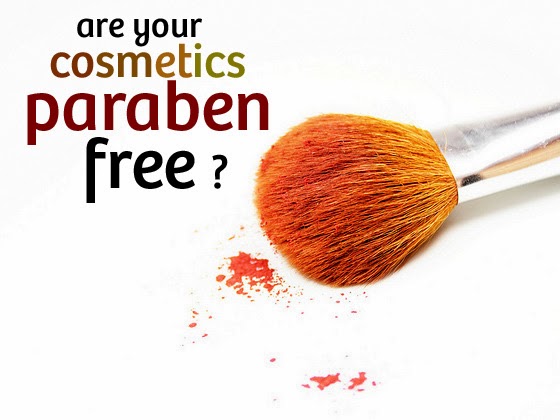
What are parabens and do I need to worry about them?


By Eleni N. GagePublished |February 26, 2014

Parabens have been widely used in products to prevent bacteria growth since the 1950s.

“About 85 percent of cosmetics have them,” said Arthur Rich, a cosmetic chemist in Chestnut Ridge, New York. “They’re inexpensive and effective.”

New York City dermatologist Dr. Fran E. Cook-Bolden explained, “Parabens have a long history of safe use, and that’s why they’re commonplace. New preservatives have less of a proven track record.”

In fact, typically, more than one form of the ingredient is used in a product. The most common are butylparaben, methylparaben, and propylparaben. Over the last few years, however, in response to customer concerns, many brands have started to manufacture (and label) paraben-free products, including lotions, lipsticks, shampoos, scrubs, and more.

So What’s the Problem?
In the 1990s, parabens were deemed xenoestrogens―agents that mimic estrogen in the body. “Estrogen disruption” has been linked to breast cancer and reproductive issues. And in 2004 British cancer researcher Philippa Darbre found parabens present in malignant breast tumors. As a result, experts in many countries are recommending limits on paraben levels in cosmetic products. What’s more, watchdog organizations worry that if parabens can be stored in the body, over time they could have a cumulative effect and pose a health risk.

But here’s the flip side: Critics of the British study point out that noncancerous tissue from healthy breasts wasn’t examined to see if parabens were also present there, and that the presence of parabens in tumors doesn’t prove that they caused the cancer. Other studies have shown parabens to have a very weak estrogenic effect.

All this leads to concern about the unknown. Cook-Bolden tells her patients that “so far there’s no scientific evidence to support any link with any form of cancer.” Currently, the amount of parabens in any product is typically quite small. The U.S. Food and Drug Administration and the World Health Organization consider the chemicals safe at low levels.

The Bottom Line?
There’s reason to be mindful, but no reason to have an all-consuming concern about these chemicals. If it helps you rest easy, use a paraben-free body lotion (which coats a large area of skin). Today there are a number of formulas available from paraben-free brands. Labels that list the preservatives as one of the last four ingredients also indicate that the chemicals are present in very small amounts, said Andrea Kane, editor of Theorganicbeautyexpert.com.

If you want to play it extremely safe, use a few oil-based organic products that don’t contain water (which calls for a preservative). They often come in dark containers with a pump so that light and air don’t degrade them quickly.

“With truly natural products, just stay within their use-by date,” Kane said. “It’s like milk―the date is there for a reason.”

http://www.foxnews.com/health/2014/02/26/what-are-parabens-and-do-need-to-worry-about-them/

Bynaturael Products:
Natural Hair Care
Liquid Castile Soap
This document is provided for reference purposes only and not necessarily reflect the opinion of bynaturael’s team . Train your mind to test every thought and keep on searching the final truth that satisfies the conscience inside you. Please visit our blog: bynaturael.blogspot.com

Dec 12, 2013

Olive Oil in Skincare: New Ways that Skin Care Products Use Natural Antioxidants


There's a reason the olive is so revered in the Mediterranean. Loaded with vitamins and antioxidants, olive oil has been used as a culinary and cosmetic ingredient for centuries. Skincare-News.com's latest article, "Olive Oil," sheds new light on this ancient ingredient, using some interesting information many people don't know about the benefits olive oil offers for the skin.

What is it? Olive oil has a long history: The ancient Greeks bathed in it; athletes ritually anointed their bodies with the oil. Ancient Egyptians embalmed mummies before burial with olive oil. In ancient Rome, the oil was infused with flowers and herbs to create medicine and cosmetics. Even Cleopatra, admired for her beauty and flawless skin, used olive oil perfumes and cosmetics.

Rich in vitamin E and other antioxidants, olive oil is often used to treat and prevent cardiovascular disease and regulate cholesterol. When used topically, olive oil moisturizes and protects the skin, keeping it smooth and firm. Hydroxytyrosol, a potent antioxidant found in olives, and vitamin E help fight free radicals and prevent cell degeneration. Extra virgin olive oil contains squalene, a very emollient substance similar to sebum. Research has shown squalene improves elasticity, protects the skin from dehydration and improves vitality and tone.

Where to find it: No doubt fascinated by its versatile properties, Homer is credited as describing olive oil as "liquid gold." Clearly this sentiment exists today; we use olive oil for cooking, as a garnish and in skin care and beauty products. Olive oil is used as an ingredient in a bevy of products, including shampoos, hand lotions, soaps, cleansers, scrubs and masks.

What to expect: Because olive oil is rich in antioxidants, researchers speculate it might help counteract the effects of ultraviolet (UV) radiation. Studies in Japan suggest that the antioxidants in olive oil help neutralize free radical damage. And while olive oil isn't a sunscreen and doesn't prevent UV rays from penetrating the skin, using it in skin care products might further protect the skin against extrinsic aging and damage from the sun. Olive oil is also a powerful moisturizer and humectant, so expect to get deep hydration.

Who should avoid it: Similar in composition to sebum, olive oil is naturally compatible with human skin, making it useful for many skin types. Skin conditions such as eczema and acne respond well to products made with olive oil because of the oil's anti-bacterial properties. Also, since it's so mild, allergic reactions are rare.

http://www.seniorliving.com/news/health/181-olive-oil-in-skincare-new-ways-that-skin-care-products-use-natural-antioxidants

Bynaturael Products:
Natural Shampoo
Liquid Castile Soap
This document is provided for reference purposes only and not necessarily reflect the opinion of bynaturael’s team . Train your mind to test every thought and keep on searching the final truth that satisfies the conscience inside you. Please visit our blog: bynaturael.blogspot.com

Nov 1, 2013

Warning over 'epidemic’ of skin allergies from chemical in cosmetics and household products


By Claire Duffin, 07 Jul 2013

A chemical found in everyday cosmetics and household cleaning products may be responsible for an “epidemic” of painful skin allergies, doctors have warned.

The preservative – known as MI – is used in a wide range of shampoos, moisturizers and shower gels as well as make-up and baby wipes. MI, which is short for methylisothiazolinone, is a preservative and it is added to products to prevent unwanted growth of bacteria and yeasts. But dermatologists warn people are being exposed too much higher doses than before, leading to a steep rise in allergies known as contact dermatitis where the skin becomes red and itchy and can sting and blister.

Experts say the chemical is second only to nickel in causing contact allergies. One in 12 adults and one in five children in the UK now have eczema, of which contact dermatitis is one of the most common types.
MI, which is short for methylisothiazolinone, is a preservative which is also found in paint. It is added to products to prevent unwanted growth of bacteria and yeasts. Well-known products that contain MI found on sale in shops included Nivea body lotion, Wet Ones and Boots men's face wash.

The substance is safe and non-toxic but European regulations now permit stronger concentrations than previously allowed. Dr John McFadden, consultant dermatologist at St John’s Institute of Dermatology in London, said: “We are in the midst of an outbreak of allergy to a preservative which we have not seen before in terms of scale in our lifetime.

“Many of our patients have suffered acute dermatitis with redness and swelling of the face. I would ask the cosmetics industry not to wait for legislation but to get on and address the problem before the situation gets worse.” The chemical was previously mixed with another preservative, Methylchloroisothiazolinone (MCI) in a three-to-one ratio.

But concerns about MCI causing allergies meant some manufacturers started using MI as a single agent. Used alone, it has been included at a much higher concentration. When the two compounds were used, MI it was found in concentrations of around four parts per million (ppm). But on its own a level of up to 100ppm, a 25-fold increase, is allowed under European regulations introduced in 2005.

Experts say that since its concentration in products increased there has been a serious rise in cases of contact dermatitis, particularly in the last two years. They believe there is a link. The doctors will present their findings at the British Association of Dermatologists conference in Liverpool this week when they will call for use of the chemical to be re-evaluated.

Already, the European Society of Contact Dermatitis (ESCD) has written to the European Commission calling for an investigation into what levels are safe. In the letter sent in January, Margarida Gonçalo, the president of the ESCD, said: “This new epidemic of allergic contact dermatitis from isothiazolinones is causing harm to European citizens; urgent action is required.”
Experts say incidents of allergies are occurring faster than they did to methyl­dibromo glutaronitrile, another preservative that was banned from use in cosmetics in 2005 after it was linked to an increase in eczema cases.

They believe the industry is aware of the link to contact allergies and some manufacturers have been quietly removing MI in the last six months. Dr Ian White, a consultant dermatologist, at the St John’s Institute of Dermatology, said: “Bluntly, I think the European Commission has been negligent over this, they have had warning after warning. If it was food there would have been action.”

Dr Chris Flower, director general of the Cosmetic, Toiletry and Perfumery Association, the UK cosmetic trade association, said: “Cosmetic products are carefully made to ensure that they withstand normal use and this will generally include preservatives to prevent contamination by microorganisms and so keep the consumer safe.”

He added: “Human safety is the cosmetic industry’s number one priority; in fact it is the law. Every cosmetic product must undergo a rigorous safety assessment before it is placed on the market. The assessment covers all of the ingredients, the final product, how and where the product is to be used, how often and by whom and must be carried out by qualified assessors.”

A spokesman for Boots said the company would carefully assess the findings.

http://www.telegraph.co.uk/health/healthnews/10164452/Warning-over-epidemic-of-skin-allergies-from-chemical-in-cosmetics-and-household-products.html

Bynaturael Products:
Natural Shampoo
Liquid Castile Soap
This document is provided for reference purposes only and not necessarily reflect the opinion of bynaturael’s team . Train your mind to test every thought and keep on searching the final truth that satisfies the conscience inside you. Please visit our blog: bynaturael.blogspot.com

Oct 23, 2013

Kosmetik Pengaruhi Perkembangan Payudara Anak


Tak hanya memicu pubertas dini, bahan kimia kosmetik juga memicu risiko kanker.

VIVAnews - Kandungan bahan kimia yang ditemukan di berbagai produk kecantikan mengakibatkan terjadinya pubertas lebih awal pada anak perempuan. Bahan kimia juga meningkatkan risiko kesehatan remaja putri di kemudian hari.

"Ada usia tertentu anak sangat rentan terhadap paparan kimia yang akan mempengaruhi kelenjar susu dan menyebabkan risiko kanker payudara di usia dewasa," ujar Maria Wolff, Profesor kedokteran pencegahan dan onkologi di Mount Sinai School of Medicine.

Studi meneliti tiga jenis bahan kimia yang umum digunakan yaitu fenol, ftalat dan phytoestrogen. Bahan-bahan itu banyak ditemukan dalam produk sampo, pelembab tubuh, cat kuku, parfum, kosmetik wajah atau suplemen gizi.

Ketiga bahan itu ditemukan di dalam sampel urin 1.151 anak umur 6-8 tahun di New York, Cincinnati dan California Utara yang dijadikan objek penelitian di laboratorium. Bahan kimia itu mengganggu kerja hormon dan sistem endokrin.

Ftalat dan phytoestrogen dalam dosis tinggi memicu perkembangan payudara lebih dini. Ftalat yang banyak digunakan dalam produk perawatan kecantikan juga menimbulkan percepatan perkembangan organ genital anak perempuan.

Selain penggunaan kosmetik dan produk perawatan tubuh, gaya hidup dan asupan makanan mempengaruhi kualitas kesehatan anak di kemudian hari. "Perlu studi lebih lanjut untuk mengetahui keterkaitan antara bahan kimia, makanan dan gaya hidup," ujarnya.

Penelitian sebelumnya menyebutkan, masa pubertas terlalu awal akan menyebabkan kerugian sosial dan kesehatan di masa depan termasuk risiko diabetes dan kanker.

Sumber: http://log.viva.co.id/news/read/143583-kosmetik_pengaruhi_perkembangan_payudara_anak

Bynaturael Products:
Natural Shampoo
Liquid Castile Soap
This document is provided for reference purposes only and not necessarily reflect the opinion of bynaturael’s team . Train your mind to test every thought and keep on searching the final truth that satisfies the conscience inside you. Please visit our blog: bynaturael.blogspot.com

Sep 19, 2013

9 Amazing Beauty Benefits Of Tea


The Huffington Post  |  By Dana Oliver | Posted: 08/20/2013 7:48 am EDT  |  Updated: 08/20/2013 11:20 am EDT

 As the temps turn colder, we're exchanging our iced coffees for herbal teas. Sipping on the hot drink instantly brings a sense of calm to a hectic day. But did you know that you could brew a cup of tea for homemade beauty recipes?

Teas, including green, black and red, have been used to improve the overall health and appearance of skin and hair for centuries. Rich in antioxidants and anti-aging and anti-inflammatory properties, tea is one of the most powerful grocery store staples that can be used topically. Here are nine amazing beauty benefits of tea.

1. Adds shine to dull, lackluster hair. A hair rinse using green or black tea will boost brassy and blah strands. Simply steep tea bags in boiling water for 15 minutes and allow to cool for a few hours or overnight. Pour it onto freshly-washed hair and leave on for ten minutes. Be sure to shampoo and condition afterwards to seal in the shine.

2. Soothes sunburns. Missed a spot with the sunscreen and ended up with a sunburn? Cold compresses made out of tea bags can relieve pain and reduce redness. The girls over at The Beauty Department have this guide to using black tea bags and old T-shirts to treat sunburns.

3. Minimizes bug bites. We love laying out in the grass, but we sure hate mosquito bites. To take down the sting and bumps, apply a used cold chamomile tea bag directly to the area and relax.

4. Reduces puffy eyes and dark under-eye circles. Another reason not to toss out your used bags of Earl Grey. One of the many beauties we met on the streets of New York City swears by this cheap puffy eye treatment. The caffeine helps to shrink blood vessels underneath the skin and eliminate darkness around the eye area.

5. Rids smelly feet odor. Stanky feet and Chanel No. 5 just don't mix. Instead, strip off your shoes and socks and soak your feet in a cool solution made out of boiled tea. The tannic acid in tea is both antibacterial and antifungal, so it stops feet from sweating and smelling funky.

6. Tones and moisturizes dry skin. Spritz cool green tea onto your face (you can also apply it with a cotton ball) twice a day to draw out impurities, shrink large pores and get a healthy glow.

7. Calms skin after shaving. If your legs are itchy and red after shaving, try pressing a cool black tea bag onto your limbs. The tannins work to provide immediate relief from razor burns.

8. Enhances hair color. If you're looking for a chemical-free alternative to dyeing your hair, try using tea. Its staining properties add color to naturally blonde or brunette locks.

9. Helps to tan skin. Similar to "coloring" hair, rubbing your body with a sponge soaked in black tea or submerging yourself in a tub full of it will enhance tanned skin. Warning: This can get a little sticky and streaky.

Is tea a staple in your beauty routine? Spill the deets!
http://www.huffingtonpost.com/2013/08/20/tea-beauty-benefits_n_3780258.html?utm_hp_ref=skincare-tips

Bynaturael Products:
Natural Shampoo
Liquid Castile Soap
This document is provided for reference purposes only and not necessarily reflect the opinion of bynaturael’s team . Train your mind to test every thought and keep on searching the final truth that satisfies the conscience inside you. Please visit our blog: bynaturael.blogspot.com

Sep 6, 2013

6 Tips Merawat Kulit Sensitif


Selasa, 15 Mei 2012 07:00

Vemale.com - Tak hanya makanan saja yang menjadi pantangan, produk kosmetika yang digunakanpun tak boleh sembarangan. Salah memilih produk, kulit akan muncul alergi. Selain obat yang harganya mahal, mengobati alergi juga memakan waktu yang tidak sebentar. Untuk itu, ketahui 6 tips merawat kulit sensitif berikut ini:

Tips 1:
Lakukan test pada bagian kecil kulit (pakai saja punggung tangan) saat mencoba produk baru. Biarkan selama setidaknya 24 jam untuk melihat reaksi pada kulit. Jika tidak terasa panas, tidak muncul kemerahan atau tanda-tanda alergi lain, maka Anda bisa menggunakan produk tersebut. Untuk lebih amannya lagi, pilihlah produk dengan label hypoallergenic.

Tips 2:
Pada beberapa kasus yang khusus (seperti rosacea atau eksim), Anda harus tahu makanan dan produk apa saja yang memicu alergi. Tanyakan pada dokter Anda dan produk/obat apa yang bisa Anda gunakan sebagai pertolongan pertama agar tidak bertambah parah.

Jangan mencoba mendiagnosa problem akibat alergi pada kulit sensitif, karena sekali Anda salah memakai produk maka bekasnya akan sulit untuk dihilangkan.

Tips 3:
Mereka yang memiliki kulit sensitif, dianjurkan untuk menggunakan produk yang non fragrance/non perfume (khususnya pada produk pembalut). Atau apabila memang Anda ingin menggunakan parfum, sebaiknya semprotkan saja pada baju, bukan pada kulit langsung agar tidak terjadi iritasi.

Tips 4:
Jika kulit Anda terlampau sensitif, pakai produk mandi dan keramas yang khusus untuk kulit sensitif. Atau Anda bisa mencoba produk sabun dan shampo yang memiliki kandungan formula lebih lembut.

Tips 5:
Saat menggunakan deterjen, usahakan agar Anda selalu memakai sarung tangan dan tidak melakukan kontak langsung agar tidak terjadi iritasi.

Tips 6:
Gunakan sunblock saat beraktivitas di bawah sinar matahari langsung. Hindari kontak dengan sinar matahari langsung, dan gunakan topi atau pakaian yang dapat membantu melindungi Anda.

http://www.vemale.com/body-and-mind/cantik/12834-6-tips-merawat-kulit-sensitif.html

Bynaturael Products:
Natural Shampoo
Liquid Castile Soap
This document is provided for reference purposes only and not necessarily reflect the opinion of bynaturael’s team . Train your mind to test every thought and keep on searching the final truth that satisfies the conscience inside you. Please visit our blog: bynaturael.blogspot.com

TOP 10 TIPS FOR CLEANSING SENSITIVE SKIN


By Gallagher Flinn

Caring for sensitive skin is a pain in the neck. For whatever reason, having sensitive skin means that the epidermis, the layer of dead cells and glands that forms a protective barrier between your dermis and the outside world, has been damaged. There are tons of potential factors that contribute to sensitive skin. You may have inherited it from your parents. It may be a problem in your diet or fluid intake (drink more water and eat more veggies!).

Or, the issue could be environmental -- there are probably a lot more cases of dry skin in the plains of Mongolia than in the swamps of Florida. People with sensitive skin are more vulnerable to acne, rosacea, eczema and contact allergens, not to mention all the stinging and itchy dryness that accompany the condition. In a lot of cases, sensitive skin is something you'll have to deal with your whole life, but that doesn't mean there aren't proper practices to alleviate the problem. Here are 10 tips for cleansing sensitive skin.

1: Shower Carefully
Limit your skin cleansing regimen to as little exposure to hot water as possible. Hot water softens up the natural oils on your skin to wash them away, but it also leaches out moisture from your skin. If your skin is extremely sensitive or dry, take your showers and baths as cool as you can stand it, and limit yourself to only five or 10 minutes in the water. Be sparing with soap, too. There's usually no reason to wash everywhere and expose your entire body to chemicals that will dry it out or irritate it. On an average day, washing just your genitals, armpits and feet is usually fine.

After your shower, pat yourself dry. Every moment, you're losing moisture as water evaporates off your skin, but rubbing will only make skin irritation worse.

2: Tailor Your Skin Regimen for the Season
Your skin changes with the seasons, and what may have worked in the bonny springtime won't necessarily be effective when the humidity drops and winter starts to take its toll. In winter, not only does cold air chap and dry out skin, but you also spend much more time indoors, where the air is even drier. You may need to increase the amount of moisturizer you use.

Getting too much vitamin A in winter can also be a problem, as it's linked to decreased oil production. While this can be a boon for people with oily skin, it can also exacerbate problems with flaking and redness during cold weather. If winter makes your skin dry out, and you use a topical ointment containing vitamin A (it shows up in acne, psoriasis and skin rejuvenation products), you might want to ease up.

3: What Else Besides Soap?
Many people mistakenly assume that when they're done cleansing sensitive skin, the work is done. But you've got to moisturize! Moisturizers sit on clean skin to form a protective barrier that traps water to keep your skin from dehydrating. People with acne or oily skin can opt for non-oily moisturizers and gels that better suits their skin type. Most moisturizers also serve double-duty as a UV blocker or an anti-inflammatory, protecting you from the sun and cooling skin cells damaged by inflammation to give them a chance to recover.

One ingredient to look for is ursolic acid, a chemical that's found in rosemary, sage and apple skin. In lab tests, ursolic acid was found to help rebuild the outer layers of damaged skin [source: Yarosh]. Be careful, though, when you're shopping for these products. Just because a moisturizer has rosemary or sage extracts in it doesn't meant that the ursolic acid content is going to be powerful enough to do any good. Make sure to look for moisturizers and anti-inflammatories that specifically mention ursolic acid in the list of ingredients.

4: Never Mind the Lather
You may have heard that working up a rich lather is the best way to thoroughly cleanse your skin. The truth of the matter is that you don't need a cleanser with a foamy lather to get good and clean. In fact, the materials used to make soap sudsy are often just detergents and surfactants, which break up the oil that dry, sensitive skin desperately needs.

If you've got very oily skin, this might seem like a nonissue. That cool, clean polish you get after lathering up can feel wonderful after a day of dealing with a greasy face. But when you overuse these cleansers, they will ultimately hurt your skin's ability to defend itself.

And what about the classic sudsy soak? Sorry, bubble bath lovers. Bubble bath formula is mostly just detergent and scent -- it's designed to foam up prettily, not to go easy on sensitive skin.

5: Avoid Fragrances and Colorings
Fragrances and colorings are part of what makes soaps attractive, but they're also a potential hazard for people with sensitive skin -- even when they come from natural plant extracts and essential oils. Because it doesn't have the same protection that normal skin does, sensitive skin can also be more vulnerable to certain allergens in fragrance. Where the epidermis and lipid coatings (the layer of dead cells and the oil that protect you) are thin, it's easier for foreign substances to enter the body. Since many allergies can be created through repeated exposure to certain irritants, problems may develop from using cleansers that contain them. Here are a few to watch out for:

Camphor
Cinnamon
Citrus
Eucalyptus
Fragrance
Lavender
Menthol
Peppermint
Rosewater

Soaps with fragrances also can be more of a problem in geographical areas with higher mineral content in the water, which makes it harder to build up and rinse off lather. Soap residue on the skin can then leach into the body over a long period of time, increasing sensitivity to allergens.

6: Know What's Going into Your Skin
Always read the labels on the back of skin-care products. Knowing what the ingredients are means knowing what to avoid. It can be overwhelming to sift through a list of unpronounceable chemicals on the back of a bottle, but it's absolutely necessary. Some ingredients are good for normal and combination skins, but terribly harsh for cleansing sensitive skin. Here's a list of some of the more common chemicals that can irritate, sting and dry out sensitive skin:

Acetone
Alcohol
Witch hazel
Alpha hydroxy acids (glycolic acid)
Benzoic acid
Bronopol
Cinnamic acid compounds
Dowicil 200
Formaldehyde
Lactic acid
Propylene glycol
Quaternary ammonium compounds
Sodium lauryl sulfate
Sorbic acid
Urea
Vitamin C

7: Limit How Often You Wash Your Face
Whether you do it at night or morning, noon and night, cleansing your skin means drying it out. Period. Even when you get out of the shower, as the water evaporates from your body, it's taking moisture from your cells with it. Wash your face once in the morning with a gentle soap, and then cleanse it again at night before you apply a moisturizer. The most important thing for cleansing sensitive skin is to strike a balance between keeping your skin free of dirt and grime and giving your body a fighting chance to create and retain as strong a barrier as possible between your dermis and the outside world.

8: Don't Be Fooled by Antimicrobial Cleansers
Germs -- they're everywhere. But that's OK! While it's hard not to think of bacteria as nasty, disease-causing germs, some of the bacteria on your skin actually help protect you by keeping more dangerous strains at bay. And while it's important to keep the bacteria on your body under control, you don't need to go overboard. In a Columbia University study, one group washed their hands with antimicrobial cleansers while another washed theirs with conventional hand soaps. As it turned out, both groups had the same reduction in bacteria on their hands -- what mattered most wasn't the cleanser they used, but the attention and time paid to scrubbing.

It's one thing to use antimicrobial hand soap, but never use these cleansers for your face. Though sensitive skin is vulnerable to acne, and it might seem like a good idea to annihilate all those germs with a good antiseptic, remember that antimicrobials are comprised of harsh chemicals that dry out and damage your skin. Plus, research shows that antimicrobial cleansers actually help breed stronger bacteria. Don't believe the hype. There's no reason to use antimicrobial cleansers unless you're a health care professional.

9: Gentle Is Best
It feels great to scrub your skin until it shines, but keep in mind that the oils you're scrubbing off your body are part of what keeps your skin healthy. While it's true that exfoliating dead skin cells and oil is important, there's a reason your body produces them. Dead skin cells form the barrier between your dermis (the under part of your skin) and the outside world. And sebum, the oil your skin produces, guards against skin cells' dehydration.

If you do have sensitive skin, you may have found that gentle skin cleansers don't really leave your skin feeling all that clean. While it usually isn't necessary (and is sometimes counterproductive) to get that ultra-fresh, scrubbed, shiny feeling, try starting with the gentlest skin cleansers and working your way up to harder stuff. Gauge your cleanser's effectiveness by asking yourself these two questions:

Do I have to wash my face twice to remove all my makeup?
Do I have to rub my skin so hard that it hurts?

If the answer to either of these is yes, you're washing your face too roughly and should choose a more potent cleanser.

10: Have Only a Few Go-to Products
It's easy to be tempted into buying products with exotic plant extracts, but a simple, regular cleansing regimen will do your sensitive skin much more good than sporadic blasts of anti-aging toner and the latest expensive goops. Unless a dermatologist advises otherwise, try to limit what you use to cleanse your skin to only two or three products at a time -- a gentle soap, sunscreen, and a moisturizer once or twice a day is plenty for most people. Your sensitive skin comes into contact with a terrible range of chemicals every day, from air pollution to bacteria and plain old dirt. Soaps and body washes are often complicated cocktails, and the more diverse the chemicals you're putting on your skin, the greater the chance that you're introducing an irritant. Also, if you use only a few products and a condition develops, you and your dermatologist will be able to quickly narrow down which ingredient is causing the problem.

Source: http://health.howstuffworks.com/skin-care/cleansing/tips/10-tips-for-cleansing-sensitive-skin.htm

Bynaturael Products:
Natural Shampoo
Liquid Castile Soap
This document is provided for reference purposes only and not necessarily reflect the opinion of bynaturael’s team . Train your mind to test every thought and keep on searching the final truth that satisfies the conscience inside you. Please visit our blog: bynaturael.blogspot.com