Nov 12, 2013

7 Diet Habits You Should Drop Now


The Huffington Post  |  By Anna Almendrala, Posted: 10/31/2013 8:41 am

We get it: With so much contradictory advice floating around about the best diets for weight loss, it's no wonder many of us end up confused about what we should eat for optimal well-being and a healthy weight.

Read on for seven things you might think are helping you shed pounds, but could actually be sabotaging your weight loss and hurting your health. If you can drop these harmful habits, you might just become a healthy eater for life.

7. Skipping breakfast.
About 10 percent of the U.S. population, or 31 million Americans, skip breakfast, according to a 2011 survey. But according to a recent study from Tel Aviv university, breakfast is indeed the most important meal of the day -- especially for people who want to lose weight. The researchers put 93 obese women into two different groups and instructed them to eat a nutritionally similar diet of 1,400 calories a day. The only difference was that one group made breakfast their biggest meal (at 700 calories) and the second group made dinner their biggest meal (700 calories).

After 12 weeks, the group that had made breakfast their biggest meal lost an average of 18 pounds and three inches from their waist, while the big dinner group only lost seven pounds and 1.4 inches from their waists. Additionally, while both groups lost weight, those in the big dinner group actually had an increase in triglyceride levels, which is linked to heart disease, diabetes, hypertension and high cholesterol, reports Medical News Today.

6. Going on a juice cleanse.
Proponents of the juice cleanse claim that going on an all-liquid diet of pressed vegetables, fruits and a small amount of nut milk for days or even weeks will clear your body of toxins, help you drop weight and make your skin glow.

Don't believe the hype, warns the Mayo Clinic. Despite the appearance of hip juice bars in your city and the popularity of juice cleanses among some celebrities, long-term juice cleanses are one of the worst things you can do to your body if you want to shed pounds for good.

The reason? While long-term cleanses will make you lose weight, it's mostly water weight that will boomerang back once you resume your normal eating habits. And it could trigger other health problems, as well, including an out-of-whack metabolism and irritability.

If you genuinely like the feel and taste of liquified vegetables and fruits, then juice away for a meal here or a snack there. But don't juice exclusively for long periods of time, and remember that juicing strips many foods of their fiber and nutrient-rich skins while concentrating the sugar in fruit, warns Glenn D. Braunstein, M.D. of Cedars-Sinai Medical Center.

5. Filling up on diet soda drinks.
It makes sense. Fizzy drinks make you feel full, which could help quell the need to snack. But if you're turning to diet soda drinks for your fix, then you could actually be sabotaging your weight loss.

Drinking diet soda and other artificially sweetened beverages could be linked to weight gain, Type 2 diabetes, heart disease, stroke and high blood pressure, according to a 2013 analysis of recent studies on artificial sweeteners by Purdue University.

The reason? Your body might be confused by artificial sweeteners, according to lead analyst Susan E. Swithers, Ph.D., a Purdue professor of psychological sciences and a behavioral neuroscientist. Swithers' research suggests that your body's natural ability to manage calories based on tasting sweet things is being seriously toyed with, thanks to the artificial sweeteners in diet sodas. Instead of diet drinks, try plain sparkling water for that fizzy full feeling.

4. Completely cutting out entire food groups.
Gluten. Carbs. Sugar. Meat. There is no magic bullet to weight loss, but for some people, elimination diets seem like a quick and easy way to feel in control of their bodies. Unfortunately, for those at risk for disordered eating, some elimination diets can actually just be a mask for eating disorders like anorexia and orthorexia, according to Yahoo! Shine.

The Mayo Clinic defines orthorexia nervosa as an obsession with "eating foods that make them feel pure and healthy," by avoiding things like artificial additives, pesticides, genetic modification, and unhealthy amounts of fat, sugar and salt.

But wait a second! Aren't all those ingredients good things to avoid? Yes -- but some people with the orthorexia could become so obsessed that they eventually "isolate themselves and often become intolerant of other people's views about food and health." Even worse, they could be missing out on key nutrients, especially if they fling themselves into gluten-free or vegan diets by focusing on the foods they can't eat, instead of doing research on the nutritious foods they can eat.

Of course, people who have diagnosed celiac disease must avoid gluten because it damages the small intestine and prevents the body from absorbing nutrients. When people with celiac disease eat gluten, they can suffer from chronic diarrhea, vomiting, constipation and weight loss, according to the National Institutes of Health. But be warned: just because a food is labeled "gluten free," doesn't mean it's healthy for you (check out MensHealth.com for some gluten-free foods loaded with fat and sugar).

3. Opting for low-fat versions.
Intuitively, it makes sense: If you want to get rid of body fat, stop eating fat. But research shows that the fat you eat isn't really linked to weight gain and disease, according to the Harvard School of Public Health. Instead, it's the total amount of calories eaten, as well as "bad" fats like trans and saturated fats found in meat and processed foods, that seem to be linked to health problems. HSPH notes that people who go on low-fat diets often end up cutting out the good fats too, like monounsaturated and polyunsaturated fats found in olive oil and fatty fish.

Not only is fat good for you in moderation, but labels like "low-fat" and "nonfat" actually trick people into eating more, according to a study conducted by the Cornell University Food and Brand Lab. Researchers found that people who saw snack foods with a "low fat" label ate up to 50 percent more than those who ate from bags without the label. Eaters also underestimated the calorie content of "low–fat" M&Ms and granola by 48 percent and 50 percent, respectively -- especially overweight people. Instead of assuming that low-fat or nonfat foods are automatically better for you, read the nutritional labels first. You might just find that low-fat or nonfat versions actually have more sugar or calories than the normal-fat foods.

2. Going hungry.
For people who want to lose weight fast, dropping too many calories could actually be an exercise in futility. A meta-analysis of 31 long-term diets that averaged 1,200 calories a day found that while people lost weight, the vast majority regained it all back within four or five years, reports RealSimple.com. A better strategy would be to estimate the total amount of calories you use in a day, and then shave a small amount off that number.

"If you want to lose weight and keep it off forever, you need a modest calorie restriction that you simply continue and never stop," nutritionist Christopher Gardner told RealSimple.com. For example, if you figure out you need about 2,500 calories a day (using this formula), simply cutting out 250 calories a day could result in more successful, permanent weight loss over the course of a year than if you had plummeted down to 1,200 calories a day and could only stand to deprive yourself for, say, four months.

1. Thinking about it as a "diet" in the first place.
This is the medical truth some weight loss professionals are scared to admit: The vast majority of people who lose weight won't be able to keep it off for good.

But for people who prioritize lifestyle changes over diet, there is hope when it comes to longterm weight loss, according to obesity expert Sherry Pagoto, Ph.D. of the University of Massachusetts Medical School. Pagoto recently published an editorial calling for an end to the diet wars in the Journal of the American Medical Association, pointing out that no diet is better or worse at helping people shed pounds.

"The 'diet' used within a lifestyle intervention can be low-fat, low-carb, etc. It doesn't matter," Pagoto told LiveScience. "Adherence is key, and the way to destroy adherence is forcing foods on someone they do not like, do not know how to prepare, or can't afford."

The faster you understand this, the better your chances are of making small, realistic and sustainable changes that you can carry on for the rest your life, as opposed to adopting dramatic, short-term diets that can ultimately result in an unhealthy cycle of losing and gaining weight.

Source: http://www.huffingtonpost.com/2013/10/31/diet-mistakes_n_4176210.html?utm_hp_ref=healthy-living

Bynaturael Products:
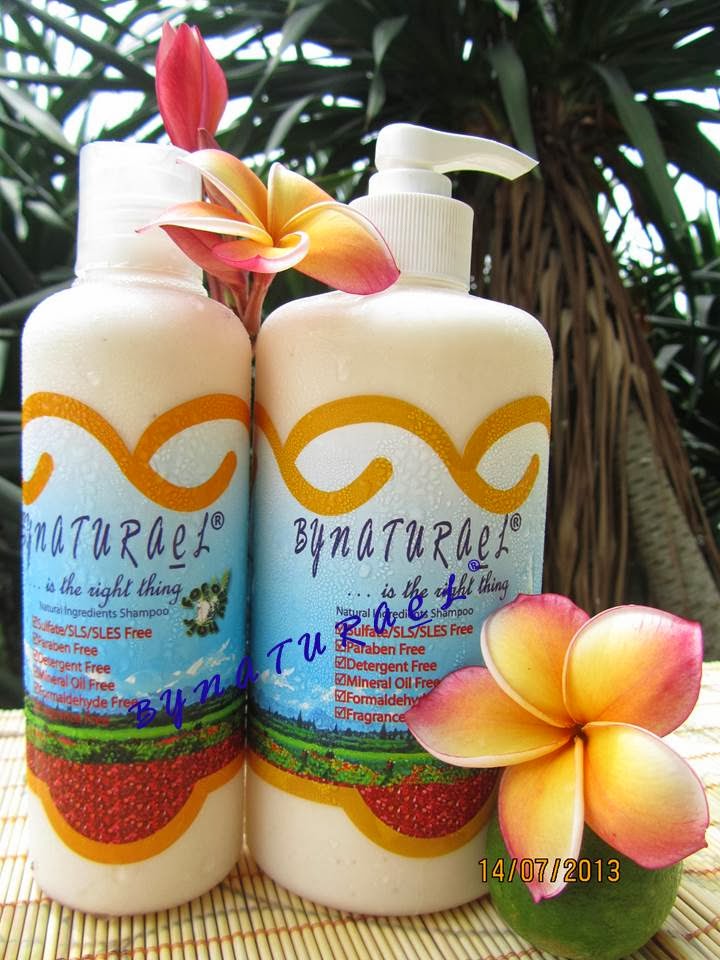
Natural Shampoo
Liquid Castile Soap
This document is provided for reference purposes only and not necessarily reflect the opinion of bynaturael’s team . Train your mind to test every thought and keep on searching the final truth that satisfies the conscience inside you. Please visit our blog: bynaturael.blogspot.com

10 gross ingredients you didn't know were in your food


If you're still reeling from the horsemeat scandal, hold on to your hats – there may well be arsenic in your beer and rat hair in your chocolate

Since the horsemeat scandal, more of us than ever before are holding a microscope up to what we eat. But no matter how many labels you read, you could still be consuming things you'd rather put on your "do not eat" list. From human hair in our bread to fish bladder in our beer, there are a lot of additives and food processing techniques that employ ingredients and chemicals few would classify as "appetising". It's a reminder, frankly, that non-processed foods are your best bet.

Arsenic
Traces of arsenic in food are nothing new. The potent human carcinogen arsenic has been known to turn up in everything from rice to cereal to juice, and most recently German researchers found traces of it in beer, noting some levels found were more than twice than what is allowed in drinking water. Traces of arsenic can actually be found in both beers and wine that are clearer in colour. That's because they will have been filtered to get rid of plant matter and leftover yeast; most people don't want to drink a cloudy pinot grigio after all. To filter, beer and winemakers use diatomaceous earth, a natural product that contains iron and metals; hence the arsenic. Want less arsenic in your drink? Opt for drinks that are unfiltered.

Human hair
Amino acids are your body's building blocks, and while they can be good for your health, not all amino acids are created equal. L-Cysteine – an amino acid used to prolong shelf-life in products such as commercial bread – can be found in duck and chicken feathers and cow horns, but most that's used in food comes from human hair. It has been reported that most of the hair used to make L-Cysteine comes from China, where it's gathered from barbershops and hair salons. You can avoid L-Cysteine by buying fresh bread from a local baker, as it is not an additive in flour. Steer clear of fast food places such as McDonald's, Dunkin' Donuts and Burger King too, who all use L-Cysteine as an additive.

Antifreeze
You're not drinking straight antifreeze when you down a soft drink, but if your drink of choice has propylene glycol in it you're consuming a compound that's used for everything from antifreeze to cosmetics to pharmaceuticals to electronic cigarettes. Its properties are many, so it's no surprise that chemical companies such as DOW get excited about its potential in the corporate food world. It's also a minor ingredient in Corexit, the oil dispersant that was used after the Deepwater Horizon oil spill. Fortunately, if you live in the European Union, propylene glycol is not cleared as a general-purpose food grade product or direct food additive.

Beaver anal glands
If you're eating vanilla, strawberry or raspberry ice-cream, you may just be eating beaver's anal and urine secretions. Castoreum, which comes from the castor sacs of male and female beavers, is an FDA-approved food additive popular in ice-creams, and allowed to be called "natural flavouring", meaning you probably don't know that you are eating it.
Fish bladder

A round of beers may sound like the perfect way to celebrate with vegetarian and vegan friends alike, but watch what beer you're drinking. Isinglass is a gelatin-like substance produced from the swim bladder of a fish. It's added to cask beers and Guinness, to help remove any "haziness" from the final product - removing any residue yeast or solid particles in the beer – which means you could end up with a trace of fish bladder in your pint glass.

Coal tar
Many processed foods are known for including a long list of dyes, and many of those dyes are derived from coal tar. Yellow #5, also known as tartrazine, was linked to childhood hyperactivity in 2007 and since then any product in the EU that contains it must also come with a warning label. In the US, however, there is no such regulation. Concern over the food colouring recently prompted bloggers to petition Kraft to remove the dyes from their popular macaroni cheese product.

Silicone breast implant filler
Chicken McNuggets from McDonald's aren't known for being the healthiest thing on the planet, but they're not really known for being "chicken" either. The nuggets are actually only about 50% actual chicken; the rest comprises synthetic ingredients, including dimethylpolysiloxane, a chemical used in silicone that can be found in Silly Putty as well as breast implant filler.

Boiled beetle shells
Natural Red #4 may sound harmless, but the food colouring – also known as carmine – is made by boiling female cochineal insect shells in ammonia or a sodium carbonate solution. It takes about 70,000 of the bugs to produce one pound of dye. Coffee giant Starbucks got slammed in 2012 for using the additive in their frappuccinos and eventually binned it, but it's a commonly employed ingredient in many foods. The European Food Standards Authority recently included it as an additive to research more. But while some may feel queasy at the thought of consuming bugs, the synthetic alternatives to this natural dye, such as Red #2 and Red #40, are made from petroleum products. Pick your poison.

Rodent hair
Producing food products in an industrial facility is nothing like cooking at home, and certainly a big warehouse space is sure to be home to a few rodents here and there. Maybe that's why the US FDA allows for certain amounts of rodent hair in various products, something they call an "unavoidable defects": one rodent hair for every 100g chocolate, 22 rodent hairs for every 100g cinnamon and five rodent hairs for every 18oz jar of peanut butter. Yum.

Borax
Banned in the US and Canada as a food additive but allowed in the EU, borax is also known for making its way into fire-retardant, anti-fungal compounds and enamel. E285, as it's known in the food world, is used to control acidity in products as well as assist in preservation. You'll find it in some caviars – including those imported to the US – as well as various Asian noodle and rice dishes as it adds a firm, rubbery texture to foods.

Source: http://www.theguardian.com/lifeandstyle/wordofmouth/2013/may/13/10-gross-ingredients-food-horsemeat-scandal

Bynaturael Products:
Natural Shampoo
Liquid Castile Soap
This document is provided for reference purposes only and not necessarily reflect the opinion of bynaturael’s team . Train your mind to test every thought and keep on searching the final truth that satisfies the conscience inside you. Please visit our blog: bynaturael.blogspot.com

Nov 6, 2013

Essential Oil Scented Liquid Castile Soap

Kami perkenalkan 2 varian baru dari Bynaturael Liquid Castile Soap:

1. Mandarin Liquid Castile Soap

Deskripsi:
Sabun cair yang terbuat dari extra virgin olive oil, sebanyak 50% dari total vegetable oil yang digunakan, dan ditambahkan dengan orange essential oil untuk membangkitkan kembali mood setelah seharian lelah beraktivitas.

Komposisi:
Air, Extra Virgin Olive Oil, Minyak Kelapa, Potassium Hydroxide, Minyak Dedak Padi, Orange Essential Oil

Harga: Rp 45,000 (245 ml), di luar ongkos kirim

Woody Lavender Liquid Castile Soap

Deskripsi:
Sabun cair yang terbuat dari extra virgin olive oil, sebanyak 50% dari total vegetable oil yang digunakan, dan ditambahkan dengan lavender dan patchouli essential oil untuk memberikan ketenangan pikiran dan membantu melawan imsonia sehingga mendapatkan tidur yang berkualitas.

Komposisi:
Air, Extra Virgin Olive Oil, Minyak Kelapa, Potassium Hydroxide, Minyak Dedak Padi, Lavender Essential Oil, Patchouli Essential Oil

Harga: Rp 50,000 (245 ml), di luar ongkos kirim

This document is provided for reference purposes only and not necessarily reflect the opinion of bynaturael’s team . Train your mind to test every thought and keep on searching the final truth that satisfies the conscience inside you. Please visit our blog: bynaturael.blogspot.com

Nov 1, 2013

6 Foods That Will Make You Stronger


Choosing the very best foods for your physique goals is an even harder decision than avoiding the bad foods. Here is a list to make it easier for you to find the best of the best so- called power foods. Be sure to include these nutrients in your diet for great gains.

Eggs
Three large eggs give you 260 calories, 20 g protein, 1.5 g carbs, 17 g fat. The perfect protein, eggs are loaded with cholesterol, typically thought as an evil food ingredient, but in fact, full of positive benefits, such as testosterone level maintaining and the integrity of muscle cell membranes. People who ate 3 whole eggs a day plus following a strength training program produce twice the gains in strength and muscle mass than those who consume just 1 egg or no eggs per day. 641 milligrams per day of additional cholesterol from eggs decreases the amount of bad cholesterol particles associated with atherosclerosis. So have eggs on any regular meal.

Salmon
Atlantic salmon provides you with 415 calories, 46 g protein, zero carbs and 23 g fat. It’s rich in the essential omega-3 fatty acids as well as eicosapentaenoic and docosahexaenoic acids.
People consuming higher levels of omega 3 fats report greater muscle strength than those taking it in lower levels. Omega 3 fatty acids enhance insulin sensitivity, which boosts muscle protein synthesis it means muscle growth and increases amino acid and glucose uptake. Omega 3s is readily burned for fuel, sparing muscle glycogen to keep your muscles bigger. Additionally, omega 3 has been found to blunt muscle and joint breakdown, as well as enhance their recovery. Omega 3 converts into beneficial prostaglandins- a hormone like substances that promote various processes in your body. Prepare salmon for lunch or dinner.

Beef
85% lean ground organic beef contains 390 calories, 50 g protein, zero carbs and 20 g fat. This meat is important due to its protein content, saturated fat and cholesterol, all of which provides high testosterone levels. Organic beef has much higher levels of omega 3 fatty acids and conjugated linoleic acid than conventionally raised cattle, because organically raised ones are primarily grass fed as opposed to grain fed. A healthy fat has been proven in different clinical studies to help shed body fat while helping to boost and strength at the same time your muscle mass. Eat beef while lunch or dinner.

Wheat germ
A half cup of wheat germ provides 205 calories, 15 g protein, 28 g carbs and 5 g fat. White germ is rich in iron, zinc, potassium, and selenium and B vitamins and high in protein with a good amount of amino acids such as glutamine and arginine. Being high in fiber makes it a great source of slow digesting carbohydrates. White germ is great before exercising because it provides a good source of octacosanol- an alcohol that can increase your muscle strength and endurance, as well as increase the efficiency of the central nervous system. Consume it a half an hour before workouts and any time of day you want to slow digesting carbs. You can use it as breading on fish or chicken.

Watermelon
2 wedges of watermelon supplies 170 calories, about 5 g proteins, 45 g carbs, a g fat, approximately 2.5 g citrulline. Watermelon is one of the few fruits that are fast digested. This means it spikes insulin levels, making it post workout carb. The red flesh and especially the white rind of watermelon are full of the amino acid citrulline, which is converted to arginine inside your body and boosts arginine inside the body much better than taking arginine itself. Higher levels of arginine lead to higher nitric oxide levels and higher GH levels after exercising, both of which are critical for enhancing muscle growth and strength. Increasing NO levels after training means there’s more blood flow to your muscles, which will enhance recovery and aid muscle growth. Eat watermelon immediately after workouts.

Pomegranate Juice
Added to a protein shake it provides 35 calories, zero protein, 7 g carbs and zero fat. Pomegranate juicehas a potent antioxidant content, which promotes health and wards off a lot of diseases. Researchers have found that it is effective at protecting NO against oxidative destruction and enhances its levels in your body.

http://www.fitnea.com/6-foods-that-will-make-you-stronger/3/


Bynaturael Products:
Natural Shampoo
Liquid Castile Soap
This document is provided for reference purposes only and not necessarily reflect the opinion of bynaturael’s team . Train your mind to test every thought and keep on searching the final truth that satisfies the conscience inside you. Please visit our blog: bynaturael.blogspot.com

Warning over 'epidemic’ of skin allergies from chemical in cosmetics and household products


By Claire Duffin, 07 Jul 2013

A chemical found in everyday cosmetics and household cleaning products may be responsible for an “epidemic” of painful skin allergies, doctors have warned.

The preservative – known as MI – is used in a wide range of shampoos, moisturizers and shower gels as well as make-up and baby wipes. MI, which is short for methylisothiazolinone, is a preservative and it is added to products to prevent unwanted growth of bacteria and yeasts. But dermatologists warn people are being exposed too much higher doses than before, leading to a steep rise in allergies known as contact dermatitis where the skin becomes red and itchy and can sting and blister.

Experts say the chemical is second only to nickel in causing contact allergies. One in 12 adults and one in five children in the UK now have eczema, of which contact dermatitis is one of the most common types.
MI, which is short for methylisothiazolinone, is a preservative which is also found in paint. It is added to products to prevent unwanted growth of bacteria and yeasts. Well-known products that contain MI found on sale in shops included Nivea body lotion, Wet Ones and Boots men's face wash.

The substance is safe and non-toxic but European regulations now permit stronger concentrations than previously allowed. Dr John McFadden, consultant dermatologist at St John’s Institute of Dermatology in London, said: “We are in the midst of an outbreak of allergy to a preservative which we have not seen before in terms of scale in our lifetime.

“Many of our patients have suffered acute dermatitis with redness and swelling of the face. I would ask the cosmetics industry not to wait for legislation but to get on and address the problem before the situation gets worse.” The chemical was previously mixed with another preservative, Methylchloroisothiazolinone (MCI) in a three-to-one ratio.

But concerns about MCI causing allergies meant some manufacturers started using MI as a single agent. Used alone, it has been included at a much higher concentration. When the two compounds were used, MI it was found in concentrations of around four parts per million (ppm). But on its own a level of up to 100ppm, a 25-fold increase, is allowed under European regulations introduced in 2005.

Experts say that since its concentration in products increased there has been a serious rise in cases of contact dermatitis, particularly in the last two years. They believe there is a link. The doctors will present their findings at the British Association of Dermatologists conference in Liverpool this week when they will call for use of the chemical to be re-evaluated.

Already, the European Society of Contact Dermatitis (ESCD) has written to the European Commission calling for an investigation into what levels are safe. In the letter sent in January, Margarida Gonçalo, the president of the ESCD, said: “This new epidemic of allergic contact dermatitis from isothiazolinones is causing harm to European citizens; urgent action is required.”
Experts say incidents of allergies are occurring faster than they did to methyl­dibromo glutaronitrile, another preservative that was banned from use in cosmetics in 2005 after it was linked to an increase in eczema cases.

They believe the industry is aware of the link to contact allergies and some manufacturers have been quietly removing MI in the last six months. Dr Ian White, a consultant dermatologist, at the St John’s Institute of Dermatology, said: “Bluntly, I think the European Commission has been negligent over this, they have had warning after warning. If it was food there would have been action.”

Dr Chris Flower, director general of the Cosmetic, Toiletry and Perfumery Association, the UK cosmetic trade association, said: “Cosmetic products are carefully made to ensure that they withstand normal use and this will generally include preservatives to prevent contamination by microorganisms and so keep the consumer safe.”

He added: “Human safety is the cosmetic industry’s number one priority; in fact it is the law. Every cosmetic product must undergo a rigorous safety assessment before it is placed on the market. The assessment covers all of the ingredients, the final product, how and where the product is to be used, how often and by whom and must be carried out by qualified assessors.”

A spokesman for Boots said the company would carefully assess the findings.

http://www.telegraph.co.uk/health/healthnews/10164452/Warning-over-epidemic-of-skin-allergies-from-chemical-in-cosmetics-and-household-products.html

Bynaturael Products:
Natural Shampoo
Liquid Castile Soap
This document is provided for reference purposes only and not necessarily reflect the opinion of bynaturael’s team . Train your mind to test every thought and keep on searching the final truth that satisfies the conscience inside you. Please visit our blog: bynaturael.blogspot.com