Mar 11, 2014

The best and worst foods for beautiful skin


By Jacqueline Silvestri |FoxNews.com

We’ve been taught to believe that bad skin occurs due to raging hormones during the teenage years, but many adults struggle with skin problems as well. Eczema, rosacea, dry skin and recurrent rashes are common skin conditions that stay with us throughout our lives and unless we uncover the real cause, lotions and potions will only keep them away temporarily.

Inflammation and hormonal fluctuations due to diet can cause some of these unwanted skin reactions. While it may be challenging to commit to long-term dietary changes, finding the right diet can help you achieve clearer, brighter skin that will last a lifetime.

A study published in Cutaneous Medicine for the Practitioner revealed that the consumption of nuts, fried foods and potato chips increases the risk of acne. The study also showed evidence of a strong association between acne, a diet rich in foods with a high glycemic load (white breads, pasta, cakes etc.) and the increase in the proportion of refined sugars in the Western diet.

Foods high in sugar and added hormones, such dairy, have been shown to clog pores. Choosing plain, organic dairy can make a difference. White table salt is another culprit that causes tissue to swell and makes your skin look puffy and unhealthy. Even worse, iodized salt has been shown to aggravate acne. Always read labels on pre-packaged foods to check their sodium content.

Many people have seen their skin troubles disappear by cleaning up their diets and avoiding their triggers. There is no one diet to help clear up everyone’s skin and finding your specific trigger can take some time. Not all food sensitivities show up in blood or skin tests, so the best way to figure out which foods are bothering you is to banish them from your diet for a period of time, usually three to six weeks, and see if you notice a difference in your skin.

Along with eliminating trigger foods it is also important to get the right vitamins in your diet.  A study published by the National Institutes of Health suggests that acne-sufferers tend to have lower levels of zinc and vitamins A and E compared to those with clear skin. Carrots, butternut squash, dark leafy greens and sweet potatoes are great sources of vitamin A. And almonds, olives, sunflower seeds and dried apricots can provide vitamin E, while grass-fed beef, spinach and pumpkin seeds all contain zinc.

Underlying inflammation is thought to contribute to skin issues such as rosacea, eczema and stubborn rashes. Switching from a diet high in processed foods to an anti-inflammatory diet can make a dramatic difference in the appearance of skin. An easy way to reduce inflammation is through a diet rich in essential fatty acids. The best places to find these healthy fats are in cold-water fish such as wild salmon and herring, organic coconut oil, walnuts, Brazil nuts, flax seeds, chia seeds and sea vegetables.

Antioxidant rich foods are also important to a skin-clearing diet. Free radicals, such as those formed by sun exposure, are thought to damage the outer layer of the skin but an antioxidant rich diet can help protect against the damage and help guard against premature aging. Blackberries, blueberries, strawberries and plums have some of the highest levels of antioxidants so make these a part of your daily diet. Choosing organic will also help reduce your consumption of pesticides.

Since hormones also play an important role in the health of our skin, stress-reducing activities should be combined with a skin-clearing diet in order to reap the best benefits. Activities such as yoga, meditation, visualization, deep breathing and even regular exercise can help reduce everyday stress, which in turn reduce the hormones that worsen conditions such as eczema, rosacea and acne.

Source: http://www.foxnews.com/health/2014/02/18/best-and-worst-foods-for-beautiful-skin/

Bynaturael Products:
Natural Hair Care
Liquid Castile Soap
This document is provided for reference purposes only and not necessarily reflect the opinion of bynaturael’s team . Train your mind to test every thought and keep on searching the final truth that satisfies the conscience inside you. Please visit our blog: bynaturael.blogspot.com

Mar 7, 2014

11 Tips To Remove Toxins From Your Life & Revamp Your Health


BY DR. WILLIAM COLE |MARCH 2, 2014

Our world has changed dramatically over the last 100 years. With amazing advancements in technology, sanitation and life saving surgical procedures, the progress has surely been a blessing. In some respects though, this accelerated development of our society has also been a curse; the epidemic rise of chronic and autoimmune diseases are causing millions to suffer needlessly and bankrupting an already fragile and overspent world economy. One of the many factors at the root of this rise of chronic and autoimmune diseases are toxins, which have risen astronomically during this time period. Toxins, which were never known to humanity until relatively recently, are pervasive in our environment and in our bodies.

My previous article on the subject showed how these toxins are harming your thyroid and your hormones, but in reality toxins are linked to just about every chronic and autoimmune disease. For example, diseases like diabetes and heart disease may be caused at least in part by toxins. So how do we stay healthy despite the ubiquity of these substances?

First, let's focus on reducing toxins in your everyday life:

1. Eat organic.
One easy way to minimize toxins is to eat food that hasn't been sprayed with pesticides and herbicides. If you can't get an organic option, make sure to thoroughly wash your conventional produce.

2. Clean green.
Conventional dish soaps, laundry detergents, fabric softeners and household cleaners contain harmful chemicals for your health. Look for products labeled nontoxic, and ones that plant-based ingredients. The Environmental Working Group (EWG), one of the most respected nonprofit groups doing work on this topic, has a great guide to nontoxic cleaners.

3. Get fresh air.
Instead of using toxic air fresheners and candles, essential oils are a great alternative, and have healing benefits as well! Perfumes and cologne may smell nice, but many contain toxic ingredients. Using essential oils instead is a great, healthy way to smell your best!

4. Bring nature indoors.
One way to clean the air you breathe is by having fresh household plants inside your house and work space.

5. Be naturally beautiful.
Remember, your skin is your biggest organ. If you can't eat what's on your skin, don't use it. Your skin absorbs all the toxins that are in conventional soaps, shampoos and makeup products. Instead of conventional store-bought lotions, try using almond, jojoba or coconut oils!

6. Wear natural sunscreens.
Knowing that your skin is highly absorptive, can you imagine the absorption rate when you're sweating in the sun and reapplying often? The EWG found that 84% of sunscreen products are harmful to consumers. You read that right: More than four out of five sunscreen products actually harm the people who use them. Due to the scare tactics against even moderate sun exposure, many have gone to the other extreme, and lather up with chemicals that they would certainly never eat for dinner. Many are also vitamin D deficient because of this. The EWG has a great list of safe, nontoxic sunscreens.

7. Drink clean water.
One study found more than 300 pollutants in U.S. tap water. Add a quality water filter in your house to remove at least the majority of common toxins that are found in the water supply.

8. Reduce microwave use.
Microwaves can significantly reduce nutritional content of food. One study found that broccoli cooked in the microwave lost up to 97% of its beneficial antioxidants. By comparison, steamed broccoli lost only 11% or fewer of its antioxidants. Another study demonstrated that garlic lost many of its beneficial qualities after being microwaved.

9. Dump Teflon cookware.
The chemical compound used to make Teflon can be very difficult for the body to eliminate. Instead of using Teflon cookware, try cast iron or nontoxic ceramic.

10. Cook with healthy oils.
The oils you use for cooking all have a specific tolerance for heat, called a smoking point. Using cooking oils that oxidize and become toxic at relatively low temperatures isn't a good idea for your health. Coconut oil and ghee are great options for cooking.

11. Sweat more.
Sweating it a great way to start cleaning toxins out of your body. Using an infrared sauna or doing hot yoga are great ways to get your sweat on.

There are tons of detox products out there on the market, and many aren't worth your time and money, but it's worth exploring your options.

Source: http://www.mindbodygreen.com/0-12801/11-tips-to-remove-toxins-from-your-life-revamp-your-health.html


Bynaturael Products:
Natural Hair Care
Liquid Castile Soap
This document is provided for reference purposes only and not necessarily reflect the opinion of bynaturael’s team . Train your mind to test every thought and keep on searching the final truth that satisfies the conscience inside you. Please visit our blog: bynaturael.blogspot.com

Mar 5, 2014

10 Makanan ini mampu bersihkan lever secara alami


Febrianti Diah Kusumaningrum | Rabu, 19 Februari 2014 11:43

Merdeka.com - Selain dari makanan yang Anda konsumsi, tubuh juga dapat terkena paparan racun dari udara dan berbagai macam bahan kimia yang Anda pakai. Hal ini akan membuat lever Anda bekerja dengan keras untuk menyaringnya. Oleh karena itu Anda pun patut menjaga kesehatan dan kebersihan lever dengan baik. Salah satu caranya adalah dengan mengonsumsi makanan sehat dan alami.

Berikut adalah makanan sehat yang mampu membersihkan lever dengan sempurna seperti dikutip dari magforwomen.com.

Apel
Apel mengandung jumlah pektin yang tinggi yang mampu membersihkan lever dan menghilangkan racun dari dalam sistem pencernaan tubuh Anda.

Kubis
Kandungan enzim penting yang ada di dalam kubis baik untuk mendetoks lever Anda dan membersihkan saluran pencernaan.

Bawang putih
Bawang putih mengandung jumlah allicin dan selenium yang tinggi. Senyawa ini akan membantu Anda untuk membersihkan lever secara alami.

Anggur
Vitamin C dan zat antioksidan lainnya yang ada di dalam anggur berguna untuk membersihkan lever dari racun dan lemak. Oleh karena itu mengonsumsi segelas jus anggur setiap hari baik untuk kesehatan lever Anda.

Teh hijau
Teh hijau mengandung zat antioksidan yang disebut dengan katekin. Zat ini mampu membersihkan lever dan juga bermanfaat untuk penurunan berat badan Anda.

Sayuran hijau
Sayuran berdaun hijau kaya akan klorofil yang mampu menyerap racun di dalam tubuh sehingga lever pun menjadi lebih bersih. Sayuran hijau juga mampu menetralisir pestisida, logam berat, dan bahan kimia lainnya yang mampu mengganggu kesehatan lever.

Minyak zaitun
Minyak zaitun dan minyak organik lainnya efektif untuk menyerap racun berbahaya di dalam tubuh sebelum racun ini mampu mempengaruhi kesehatan tubuh Anda. Dengan demikian, kesehatan hati Anda pun dapat terjaga.

Jeruk nipis
Sama seperti anggur, jeruk nipis juga mengandung vitamin C yang tinggi yang bermanfaat untuk proses pembersihan lever. Air jeruk nipis juga bermanfaat untuk merangsang lever Anda agar berfungsi dengan lebih lancar dan efektif.

Kunyit
Kunyit membantu lever Anda dalam menghilangkan unsur-unsur racun berbahaya di dalamnya.

Kacang kenari
Kacang kenari mengandung arginin yaitu asam amino yang mampu menyerap racun berbahaya. Kandungan asam lemak omega 3 di dalamnya juga mampu membuat lever Anda berfungsi dengan lebih efisien.

Kesehatan lever mampu mempengaruhi kesehatan tubuh Anda secara keseluruhan. Oleh karena itu tingkatkan kesehatan lever Anda dengan makanan sehat di atas.

http://www.merdeka.com/sehat/10-makanan-ini-mampu-bersihkan-lever-secara-alami.html

Bynaturael Products:
Natural hair care
Liquid Castile Soap
This document is provided for reference purposes only and not necessarily reflect the opinion of bynaturael’s team . Train your mind to test every thought and keep on searching the final truth that satisfies the conscience inside you. Please visit our blog: bynaturael.blogspot.com

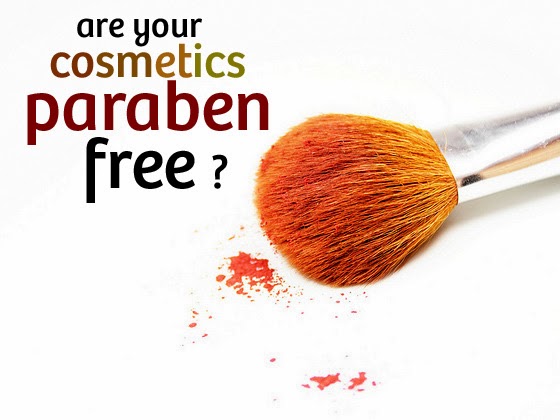
What are parabens and do I need to worry about them?


By Eleni N. GagePublished |February 26, 2014

Parabens have been widely used in products to prevent bacteria growth since the 1950s.

“About 85 percent of cosmetics have them,” said Arthur Rich, a cosmetic chemist in Chestnut Ridge, New York. “They’re inexpensive and effective.”

New York City dermatologist Dr. Fran E. Cook-Bolden explained, “Parabens have a long history of safe use, and that’s why they’re commonplace. New preservatives have less of a proven track record.”

In fact, typically, more than one form of the ingredient is used in a product. The most common are butylparaben, methylparaben, and propylparaben. Over the last few years, however, in response to customer concerns, many brands have started to manufacture (and label) paraben-free products, including lotions, lipsticks, shampoos, scrubs, and more.

So What’s the Problem?
In the 1990s, parabens were deemed xenoestrogens―agents that mimic estrogen in the body. “Estrogen disruption” has been linked to breast cancer and reproductive issues. And in 2004 British cancer researcher Philippa Darbre found parabens present in malignant breast tumors. As a result, experts in many countries are recommending limits on paraben levels in cosmetic products. What’s more, watchdog organizations worry that if parabens can be stored in the body, over time they could have a cumulative effect and pose a health risk.

But here’s the flip side: Critics of the British study point out that noncancerous tissue from healthy breasts wasn’t examined to see if parabens were also present there, and that the presence of parabens in tumors doesn’t prove that they caused the cancer. Other studies have shown parabens to have a very weak estrogenic effect.

All this leads to concern about the unknown. Cook-Bolden tells her patients that “so far there’s no scientific evidence to support any link with any form of cancer.” Currently, the amount of parabens in any product is typically quite small. The U.S. Food and Drug Administration and the World Health Organization consider the chemicals safe at low levels.

The Bottom Line?
There’s reason to be mindful, but no reason to have an all-consuming concern about these chemicals. If it helps you rest easy, use a paraben-free body lotion (which coats a large area of skin). Today there are a number of formulas available from paraben-free brands. Labels that list the preservatives as one of the last four ingredients also indicate that the chemicals are present in very small amounts, said Andrea Kane, editor of Theorganicbeautyexpert.com.

If you want to play it extremely safe, use a few oil-based organic products that don’t contain water (which calls for a preservative). They often come in dark containers with a pump so that light and air don’t degrade them quickly.

“With truly natural products, just stay within their use-by date,” Kane said. “It’s like milk―the date is there for a reason.”

http://www.foxnews.com/health/2014/02/26/what-are-parabens-and-do-need-to-worry-about-them/

Bynaturael Products:
Natural Hair Care
Liquid Castile Soap
This document is provided for reference purposes only and not necessarily reflect the opinion of bynaturael’s team . Train your mind to test every thought and keep on searching the final truth that satisfies the conscience inside you. Please visit our blog: bynaturael.blogspot.com

The Best Parts Of Fruits And Veggies You're Not Eating


The Huffington Post  | by  Sarah Klein

Most adults would benefit from one and a half to two cups of fruit and two to three cups of vegetables each day. But it might be easier to reach our recommend servings if we didn't throw away so many beneficial pieces and parts of our favorite fruits and veggies. (Not to mention we might just want to stop wasting 25 to 33 percent of our food globally). Yep, we're talking seeds, skins, stems and more you thought you were supposed to toss.

Turns out, thanks to some big-time health benefits, those incidentals don't need to be banished to the compost heap. Start enjoying these eight extras today.

Apple Peel
An antioxidant called quercetin awaits in the skin of your apple, providing benefits to the lungs and the brain. Apple peel also packs more fiber and vitamins than the flesh of the fruit.

Swiss Chard Stems
A 2006 study found that within those brightly-hued stalks have substantial amounts of glutamine, an amino acid that plays an essential role in the body's healing and repairing processes. Try chopping and cooking those stems right along with the leaves.

Orange Peel
According to a 2004 study, a chemical in the peel of oranges and other citrus fruits may have a cholesterol-lowering effect stronger than that of some prescription drugs. The compounds, polymethoxylated flavones, may also account for citrus fruits' protective powers against heart disease and inflammation, according to the study.

Not to worry: You don't have to bite into the thing whole. Grate or zest the rind to flavor your favorite dishes.

Beet Greens
Although now we harvest these plants for their roots -- the beets -- they were grown first for their leaves, according to The Complete Leafy Greens Cookbook. Cook 'em for major fiber, calcium, iron and more, plus heaping helpings of vitamins A and K. Expect a taste that's half beet, half kale, all yum.

Watermelon Rind
The watery flesh of this summertime favorite contains an amino acid called L-citrulline, thought to improve athletic performance and ease muscle soreness. But citrulline, which also helps remove nitrogen from the blood, was discovered to be in the rind of the watermelon too, in a 2003 study from the USDA's Agricultural Research Service.

Turnip Greens
Like turnips, these not-to-be-discarded leaves are a sweet and spicy mix. Like beet greens, they're sky high in vitamins A and K, as well as a very good source of fiber, iron, potassium and more.

Potato Skin
The flesh of your spud has a lot to offer too, but, ounce for ounce, the skin provides more fiber. It also contains a host of B vitamins, vitamin C, iron, calcium and potassium, among other nutrients, according to the Academy of Nutrition and Dietetics. That doesn't mean ordering the potato skins at the bar; stick to baked spuds with the skin on, please.

Pumpkin Seeds
Next time you're carving a pumpkin, set aside the gory guts as you scoop 'em out. About half a cup contains more than your daily recommended intake of magnesium, low levels of which may lead to heart problems, osteoporosis and headaches. Pepitas are also rich in iron and protein, as well as certain plant-based compounds called phytosterols, which have been shown to reduce "bad" cholesterol.

http://www.huffingtonpost.com/2014/03/02/fruits-and-vegetables-not-eating_n_4868505.html?utm_hp_ref=healthy-living

Bynaturael Products:
Natural Hair Care
Liquid Castile Soap
This document is provided for reference purposes only and not necessarily reflect the opinion of bynaturael’s team . Train your mind to test every thought and keep on searching the final truth that satisfies the conscience inside you. Please visit our blog: bynaturael.blogspot.com